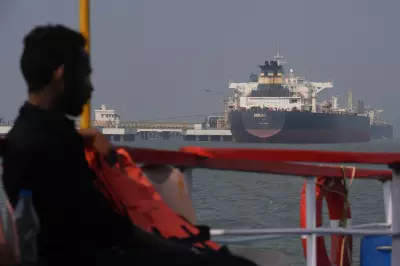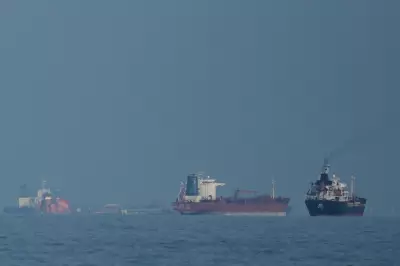
Global financial markets are facing significant turbulence as oil prices have surged dramatically, while stock indices show mixed results in response to heightened geopolitical tensions between the United States and Iran. The ongoing standoff has placed the Strait of Hormuz, a critical maritime chokepoint for oil shipments, in a state of uncertainty, raising concerns about potential disruptions to global energy supplies.
Impact on Energy Markets
The sharp increase in oil prices is directly linked to fears that the U.S.-Iran conflict could escalate, potentially leading to blockades or military actions in the Strait of Hormuz. This narrow waterway is essential for the transportation of approximately one-fifth of the world's oil, making any threat to its security a major catalyst for market volatility. Analysts warn that prolonged tensions could drive prices even higher, affecting everything from gasoline costs to broader economic stability.
Stock Market Reactions
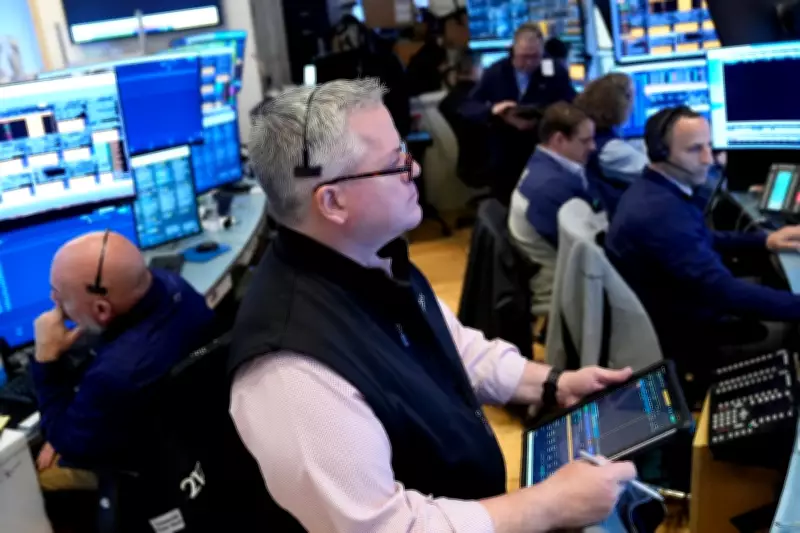
In contrast to the clear upward trend in oil, stock markets are displaying a more fragmented response. Major indices like the New York Stock Exchange have seen fluctuations, with some sectors benefiting from the energy price spike while others suffer from increased uncertainty. Investors are closely monitoring developments, as any escalation could trigger further sell-offs or shifts in market sentiment. The mixed performance underscores the complex interplay between geopolitical risks and financial markets.

Broader Economic Implications
The situation has prompted governments and central banks to assess potential economic fallout. In Canada, for instance, a federal pause on gasoline and diesel taxes has been implemented to mitigate the impact of rising fuel prices on consumers. This move highlights how domestic policies are being adjusted in reaction to international crises. Additionally, industries reliant on stable energy costs, such as transportation and manufacturing, are bracing for potential challenges if the standoff persists.
Global Context and Future Outlook
Beyond immediate market effects, the U.S.-Iran tensions are part of a larger pattern of geopolitical instability that could influence global trade and diplomatic relations. Experts emphasize the need for diplomatic resolutions to prevent long-term economic damage. As events unfold, market participants are advised to stay informed and prepared for continued volatility, with the Strait of Hormuz remaining a focal point of international concern.