Oil Prices Surge as U.S.-Iran Tensions Block Key Strait of Hormuz Shipping Lane
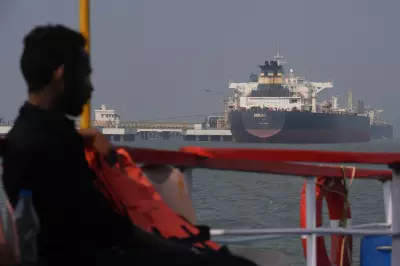
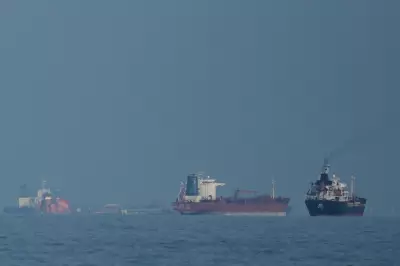
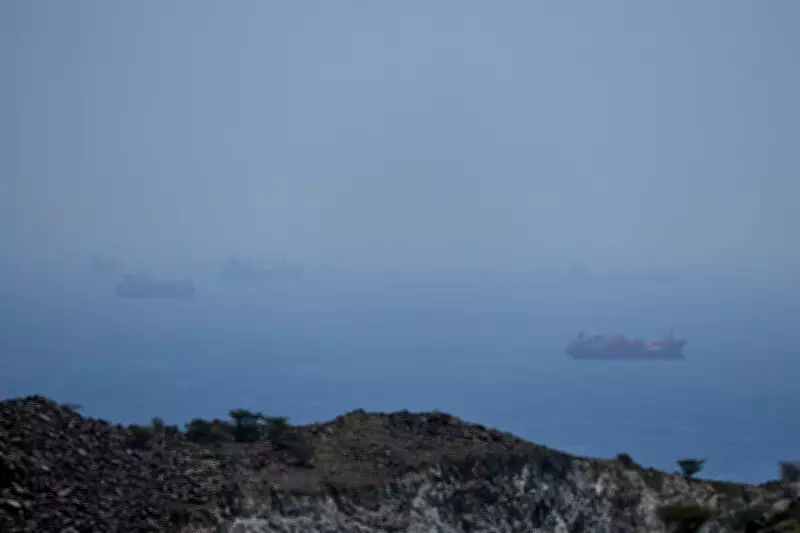
Global oil markets experienced a significant spike in prices following a tense military standoff between the United States and Iran that has effectively blocked the strategic Strait of Hormuz. The confrontation has left numerous oil tankers and bulk carriers stranded, anchoring in the narrow waterway as of Saturday, April 18, 2026. This critical maritime chokepoint, through which approximately one-fifth of the world's oil supply typically flows, is now a focal point of geopolitical instability, directly impacting energy supplies and market confidence.
Immediate Impact on Global Energy Markets
The disruption has triggered immediate concerns over supply shortages, leading to a sharp increase in benchmark crude oil prices. Analysts report that the price surge reflects heightened anxiety about prolonged closures or further escalations in the region. The Strait of Hormuz is essential for the transport of oil from major producers in the Middle East to global markets, and any sustained blockage could have severe economic repercussions worldwide, potentially affecting gasoline prices and inflation rates.
Details of the Geopolitical Standoff
The incident stems from escalating tensions between U.S. and Iranian naval forces, though specific details of the confrontation remain under investigation. The presence of anchored vessels, as captured in recent imagery, underscores the operational halt forced upon commercial shipping. This event marks one of the most significant disruptions in the strait in recent years, recalling previous episodes of regional volatility that have historically led to oil price shocks and strategic military responses.

Broader Context and Market Reactions
Energy experts emphasize that the price increase is not merely a reaction to the immediate blockage but also to the potential for a broader conflict. The situation has drawn comparisons to past crises in the Gulf region, where similar incidents have led to sustained market volatility. Traders and investors are closely monitoring developments, with many adjusting their portfolios to account for increased risk premiums in energy commodities. The standoff also raises questions about the security of alternative shipping routes and the resilience of global supply chains.
Potential Long-Term Consequences
If the stalemate continues, it could prompt nations to accelerate investments in energy diversification and strategic petroleum reserves. The event highlights the fragile nature of global energy infrastructure and the ongoing geopolitical risks associated with key transit points. Governments and industry stakeholders are likely to reassess their dependency on the Strait of Hormuz, exploring options such as increased pipeline capacity or enhanced naval protections to mitigate future disruptions.
In summary, the U.S.-Iran standoff in the Strait of Hormuz has swiftly translated into higher oil prices, underscoring the interconnectedness of geopolitics and global energy markets. The situation remains fluid, with the international community watching closely for resolutions that could restore normal shipping operations and stabilize prices.