North Korea has benefited significantly from the ongoing East-West security realignment in Asia. According to South Korea's central bank, the North Korean economy expanded by 3.7% in 2024, marking its fastest growth in eight years.
Signs of Prosperity in Pyongyang
Foreign visitors returning from Pyongyang have reported visible signs of newfound wealth. Restaurants now serve brick-oven pizza and chicken wings, QR-code systems enable mobile payments, and Chinese electric vehicles are common on the streets. Pet stores, internet gaming cafes, and car dealerships selling BMWs have also emerged, as noted by the Wall Street Journal.
Home-delivery apps for take-out, bustling beer halls, and increased car ownership are further indicators of economic improvement, according to The New York Times. Analysts have observed more buses, trucks, and construction projects across the country.

Satellite Imagery and Economic Data
Satellite imagery reveals brighter nighttime lights in Pyongyang compared to previous years. The Bank of Korea estimates that North Korea's gross domestic product grew by 3.7% in 2024, the fastest rate since 2016. This marks a sharp recovery from the severe food shortages during the COVID-19 pandemic five years ago, when leader Kim Jong Un appeared visibly thinner and tearfully reported the crisis.
Despite these gains, the United Nations reports that approximately 12 million of North Korea's 27 million citizens remain undernourished. The heavily sanctioned economy recorded a trade volume of just US$2.7 billion in 2024. Fake hair and wigs are the country's primary export, mostly to China. In comparison, South Korea's economy, valued at US$1.86 trillion, is nearly 70 times larger.
Role of Russia and China
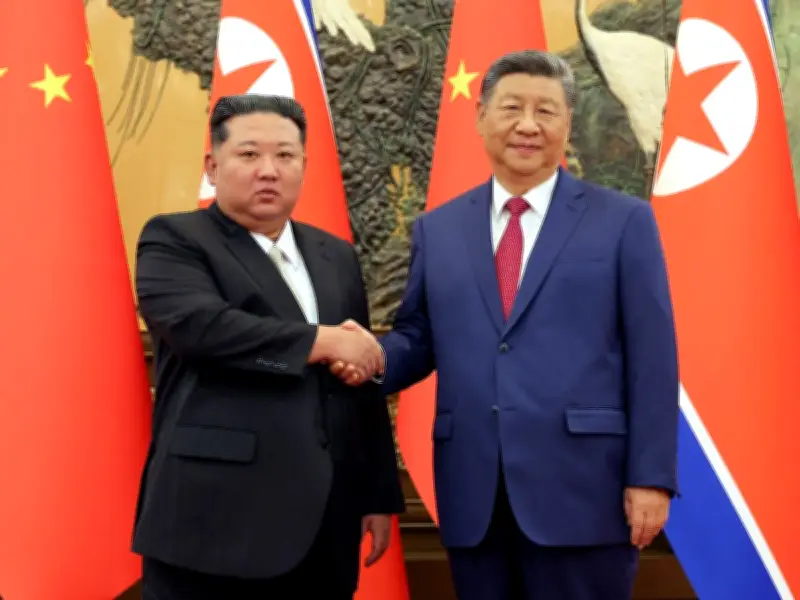
The economic upturn is largely attributed to closer military and economic ties with Russia and China, driven by the war in Ukraine and a strategic shift away from the United States. A mutual defense pact signed with Russia in 2024 has boosted manufacturing, construction, and mining industries, according to the Bank of Korea.
North Korea has supplied Russia's war effort with resources and manpower, deploying over 15,000 troops to western Russia by 2025, with a casualty rate of about one in three. It has also shipped artillery, missiles, and ammunition to Russia, receiving food, military technology, and energy in return. A Seoul-based think tank estimates North Korea has earned up to US$14.4 billion from these dealings.
Additional Revenue Sources
North Korean hackers are responsible for a significant portion of global cryptocurrency thefts, adding to state revenues. Workers abroad, particularly in China, also send remittances home. Train service between Beijing and Pyongyang resumed this year after being suspended during the pandemic, and North Korea has shown increased willingness to open its borders to allies.