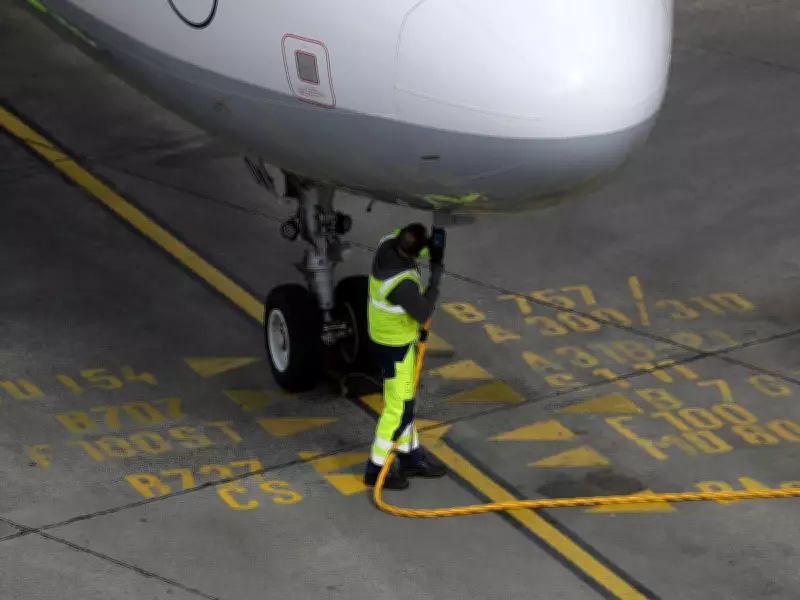
Military Operations in NATO Pipeline Squeeze European Jet Fuel Deliveries
Deliveries of jet fuel through a critical European energy pipeline have been disrupted by heightened military operations, according to industry sources, placing additional strain on already constrained supply chains across the continent.
Military Priority Displaces Civilian Supplies
During March and April, increased volumes of military-grade jet fuel were injected into the NATO Central Europe Pipeline System at the Rotterdam Europoort facility, confirmed Orkhan Rustamov, founder and CEO of trading firm Alkagesta. This military prioritization has displaced some civilian jet fuel supplies, resulting in reduced deliveries to major European aviation hubs including Frankfurt's primary airport.
The situation exacerbates existing pressures on Europe's commercial airlines and airports, many of which connect directly to the pipeline system. These facilities already face severe fuel shortages due to the Iran war choking off key import routes through the Strait of Hormuz.

Pipeline's Dual-Use History and Current Impact
Established during the Cold War era, the Central Europe Pipeline System has long been authorized for civilian use with the explicit condition that military requirements always receive priority. Today, this sprawling network represents an integral component of Europe's energy infrastructure, transporting approximately 225,000 barrels daily across more than 5,000 kilometers of pipelines.
While primarily handling jet fuel, the CEPS can also transport diesel and other petroleum products, connecting refineries, depots, military airbases, and civilian airports throughout the region.
"The amount of additional military jet fuel represents several days of Italian demand for jet fuel and kerosene," Rustamov noted, while declining to provide precise figures due to security considerations. Although this volume constitutes a relatively small portion of the overall European market, it adds significant pressure to already tight supplies.
Industry Response and Market Consequences
Fernleitungs-Betriebsgesellschaft mbH, which operates the German sections of the NATO pipeline systems, did not immediately respond to requests for comment. Major stakeholders including Deutsche Lufthansa AG, NATO, the Pentagon, and European military commands overseeing the region either declined to comment or did not respond to inquiries.
Frankfurt airport manager Fraport AG clarified that it does not maintain its own fuel stocks, making it particularly vulnerable to supply disruptions through the pipeline system.
The supply constraints have already manifested in market indicators, with jet fuel prices in northwest Europe reaching record highs earlier this month. Several airlines have been forced to cancel flights as a direct consequence of the tightening supply situation.
Rustamov's firm, which supplies jet fuel into the CEPS but did not deliver through Rotterdam during the affected period, obtained information about the heightened military-grade deliveries from fellow pipeline users. This disruption comes at a particularly challenging time for European aviation, as the region relies heavily on jet fuel shipments through the Strait of Hormuz—a critical waterway where marine traffic has been largely halted for weeks due to Middle East conflicts.