Middle East Oil Exports Experience Severe Decline Amid Strait of Hormuz Closure
Recent data indicates a dramatic reduction in oil exports from the Middle East, with volumes dropping by at least 60% as the Strait of Hormuz remains predominantly closed. This critical maritime chokepoint, essential for global oil transportation, has seen limited traffic, leading to significant disruptions in energy supply chains.
Impact on Global Energy Markets
The closure of the Strait of Hormuz has far-reaching consequences for international energy markets. As a key route for oil tankers from major producers like Saudi Arabia, the blockage is causing supply shortages and potential price volatility. Analysts warn that prolonged closure could exacerbate economic pressures worldwide, particularly in regions dependent on Middle Eastern crude.
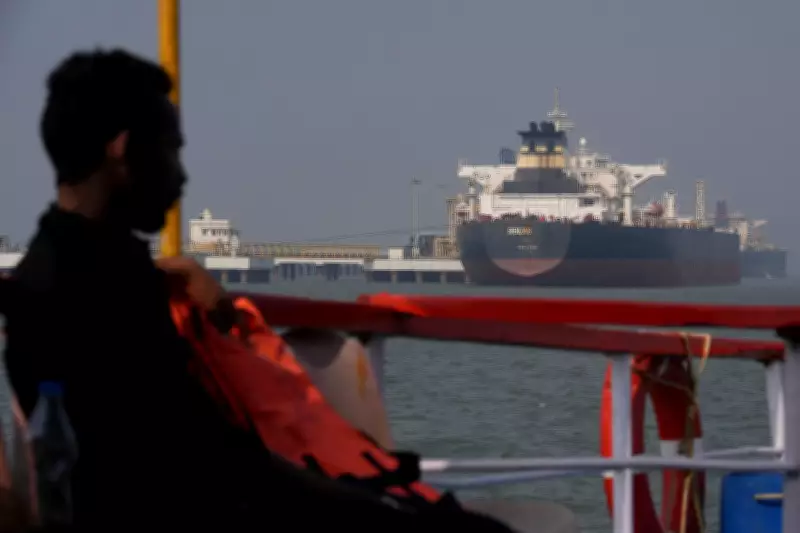
Evidence from recent shipments highlights the scale of the issue. For instance, the Liberia-flagged tanker Shenlong Suezmax, which carried crude oil from Saudi Arabia, managed to clear the strait and arrive at Mumbai Port in India on March 12, 2026. However, such successful passages have been rare, with many vessels unable to navigate the area due to ongoing restrictions.

Broader Context and Regional Tensions
This development occurs against a backdrop of heightened geopolitical tensions, including conflicts involving Iran, which have disrupted shipping routes. The situation underscores the fragility of global trade corridors and the need for diversified energy strategies. Stakeholders in the oil industry are closely monitoring the strait's status, as any further closures could lead to more severe economic repercussions.
Data from international agencies suggests that if the Strait of Hormuz remains inaccessible, alternative routes may be explored, but these often involve longer transit times and higher costs. This could result in increased prices for consumers and strain on logistics networks.
Future Outlook and Mitigation Efforts
Efforts to resolve the closure are underway, with diplomatic channels and maritime authorities working to restore normal operations. In the meantime, countries are advised to assess their oil reserves and consider contingency plans to mitigate supply chain risks. The incident serves as a stark reminder of the interconnected nature of global energy markets and the importance of secure shipping lanes.