Middle East Conflict Triggers Sharp Increase in Ottawa Gasoline Prices
Ottawa drivers are facing immediate and substantial increases at the pump as geopolitical tensions in the Middle East disrupt global oil markets. The escalating conflict involving Iran and other regional actors has created significant volatility in crude oil supplies, directly impacting fuel costs for Canadian consumers.
Global Supply Chain Disruptions
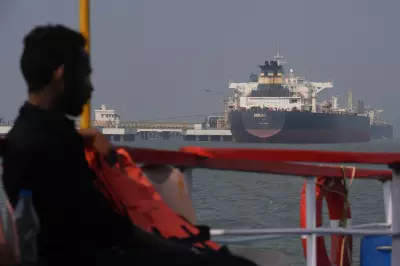
The recent military operations and retaliatory strikes have led to critical disruptions in oil tanker routes and temporary shutdowns of key production facilities. These developments are rattling international energy markets, causing benchmark crude prices to surge dramatically. Analysts note that transportation bottlenecks and supply chain uncertainties are compounding the price pressures.
Energy market experts warn that these price increases could persist for several weeks, with some suggesting the situation might extend even longer depending on how the conflict evolves. The uncertainty surrounding diplomatic resolutions and military timelines is creating additional market anxiety that translates directly to higher prices for end consumers.

Local Impact on Ottawa Consumers
In Ottawa, the effects are already visible at gasoline stations across the city. While specific price data wasn't provided in the original report, the broader market trends indicate significant upward pressure on retail fuel costs. Canadian energy analysts emphasize that domestic prices typically follow global crude oil movements with a short lag time.
The price spike comes amid other economic pressures facing Canadian households, including housing costs and general inflation concerns. For Ottawa residents who rely on personal vehicles for transportation, the increased fuel expenses represent an additional financial burden during an already challenging economic period.
Broader Economic Implications
Beyond direct consumer impact, the rising fuel prices have wider economic consequences:
- Increased transportation costs for goods and services
- Potential inflationary pressure across multiple sectors
- Reduced disposable income for households facing higher fuel bills
- Challenges for businesses dependent on transportation and logistics
The Canadian government has called for diplomatic solutions to the Middle East conflict while avoiding specific commentary on the legality of military actions. Meanwhile, global energy markets remain highly sensitive to developments in the region, with traders closely monitoring supply disruptions and geopolitical statements.
As the situation continues to evolve, Ottawa drivers should prepare for potentially sustained higher gasoline prices, with market analysts suggesting that price stability may not return until the conflict shows clear signs of de-escalation and global oil supply chains normalize.