Middle East Conflict Escalates, Driving Global Oil and Fuel Prices Higher
The latest flare-up in the Middle East is sending shockwaves through global energy markets, with crude oil and fuel prices climbing sharply as supply disruptions intensify. The conflict, which has widened to include attacks on Arab states and U.S. military bases, alongside Hezbollah's strikes on Israel, is creating significant volatility and uncertainty in the oil sector.
Supply Chain Disruptions Rattle Markets
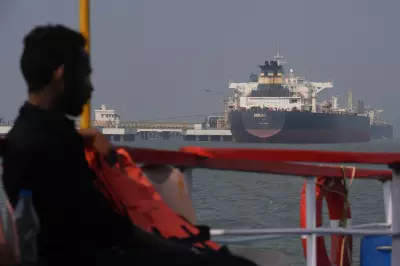
Persistent geopolitical tensions are directly impacting oil production and transportation, leading to a tightening of global supply. Key factors contributing to the price surge include tanker disruptions in critical shipping lanes and temporary shutdowns of oil facilities in the region. These events are exacerbating existing strains on energy infrastructure, prompting analysts to warn of potential long-term effects on fuel affordability.
Market analysts report that benchmark crude prices have risen by over 5% in recent trading sessions, reflecting heightened investor concern. The instability is particularly affecting regions reliant on Middle Eastern oil imports, with consumers facing higher costs at gas pumps and for heating fuels.

Global Economic Implications
The ripple effects of this price surge extend beyond immediate energy costs, influencing broader economic indicators such as inflation and transportation logistics. Businesses dependent on fuel-intensive operations are bracing for increased expenses, which could trickle down to consumer goods and services. This development underscores the fragile interdependence of global energy networks and geopolitical stability.
In response, some nations are exploring diplomatic solutions to de-escalate the conflict, but the immediate outlook remains uncertain. Energy experts emphasize that sustained hostilities could lead to further supply constraints, keeping prices elevated in the near term.
Looking Ahead
As the situation evolves, stakeholders are closely monitoring:
- Ongoing military engagements and their impact on oil-producing facilities.
- International efforts to secure alternative supply routes and stabilize markets.
- Potential policy responses from major economies to mitigate price shocks.
The current crisis highlights the critical role of the Middle East in global energy dynamics, with any escalation posing risks to economic stability worldwide. Consumers and industries alike are advised to prepare for continued volatility in fuel costs as the conflict unfolds.