Manitoba Homeowner Voices Concern Over Diminished Solar Investment Returns
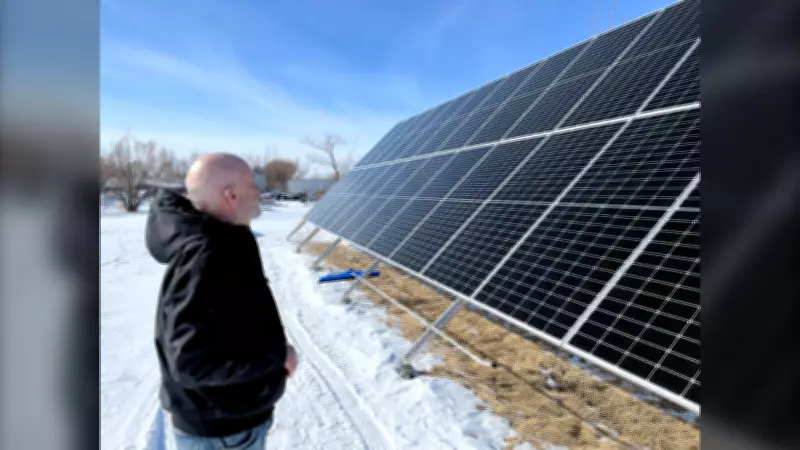
A resident of Manitoba has raised alarms about the economic viability of his solar panel installation, citing recently lowered electricity buyback rates as a significant threat to his anticipated financial returns. The individual, who invested in solar technology to contribute clean energy to the grid and reduce personal costs, now fears that the reduced compensation from Manitoba Hydro could extend the payoff period for his system, potentially discouraging others from adopting similar renewable energy solutions.
Financial Implications of Adjusted Buyback Policies
The core of the issue lies in the revised net metering or feed-in tariff rates, which determine how much homeowners are paid for excess electricity they generate and feed back into the provincial grid. Historically, these rates were designed to incentivize solar adoption by offering favorable returns, but recent adjustments have seen them decrease, aligning with broader shifts in energy pricing and infrastructure costs. For this Manitoba man, the lower rates mean that the surplus power his panels produce during peak sunlight hours is now valued less, directly impacting his ability to recoup the upfront investment of thousands of dollars.
Experts note that such policy changes are not uncommon as solar technology becomes more widespread and grid management evolves. However, they emphasize that sudden reductions can create uncertainty for current and prospective solar users, who rely on stable financial projections to justify the initial expense. In Manitoba, where solar potential is significant but adoption rates vary, this case highlights a growing tension between promoting renewable energy and managing utility economics.

Broader Context and Community Response
The homeowner's situation reflects a larger provincial and national conversation about the future of renewable energy incentives. As governments and utilities balance environmental goals with fiscal responsibility, buyback rates often become a focal point for debate. In Manitoba, Manitoba Hydro has defended the rate adjustments as necessary to ensure fair pricing for all ratepayers and to maintain grid stability, but critics argue that they could stifle green energy progress.
Community advocates and solar industry representatives have echoed the homeowner's concerns, warning that lower buyback rates might deter investment in solar infrastructure. They point to studies showing that strong financial incentives are crucial for driving residential solar adoption, which in turn supports job creation in the clean energy sector and reduces carbon emissions. Without attractive returns, the appeal of solar power could diminish, slowing Manitoba's transition toward a more sustainable energy mix.
Looking ahead, the Manitoba man plans to engage with local policymakers and utility officials to seek clarity on the long-term outlook for solar buyback rates. His experience serves as a cautionary tale for other homeowners considering solar installations, underscoring the importance of staying informed about regulatory changes that could affect their investments. As renewable energy technologies advance, finding a balance between incentivizing adoption and ensuring grid affordability remains a key challenge for provinces across Canada.