Bjorn Lomborg: West Should Emulate China's Nuclear Energy Playbook for Clean Power
In a compelling analysis, environmental commentator Bjorn Lomborg contends that Western nations are misreading China's energy achievements. While headlines celebrate China as a "green superpower" due to its massive exports of solar panels, wind turbines, electric vehicles, and batteries, Lomborg reveals a more complex reality. These green technologies are predominantly manufactured using fossil fuels, especially coal. The true energy success story that Western countries should study, according to Lomborg, is China's strategic expansion of nuclear power to secure clean and dependable electricity.
The Hidden Coal Foundation of China's Green Exports
Lomborg points to significant overcapacity and financial struggles within China's solar industry. Following the country's property market downturn, capital flooded into solar panel production, creating a global glut. Chinese solar manufacturing capacity now exceeds twice the global demand. The International Energy Agency reports that throughout 2024, every segment of China's solar supply chain operated at a loss, with profit margins often plunging below negative twenty percent. This has led to over forty company bankruptcies and a workforce reduction of one-third. Crucially, Lomborg emphasizes that each Chinese silicon smelter essential for solar panel production requires its own dedicated coal-fired power station, tying the industry directly to fossil fuels.
Electric Vehicle Boom Built on Coal Power
The analysis extends to China's electric vehicle sector, which has become an economic pillar replacing real estate for many local governments. The auto industry and related services now constitute approximately ten percent of China's GDP. However, Lomborg highlights staggering overcapacity, with forecasts suggesting only fifteen of the current one hundred twenty-nine EV brands will remain viable by 2030. Chinese consumers purchase nearly two-thirds of global EV sales, driven by government policies and low prices from surplus production. Yet, the environmental benefits are questionable. EV battery packs are manufactured using coal energy and charged on a coal-dominated grid. A recent estimate indicates that over its lifetime, a Chinese EV emits eighty-five to ninety percent of the carbon dioxide of a comparable gasoline car. Furthermore, many EV buyers might otherwise have purchased no car or a less polluting hybrid, and Chinese EVs are driven significantly less than conventional vehicles, spreading their construction carbon debt over fewer miles.

Lomborg also notes that EVs offer minimal air pollution improvements in China. One study shows they reduce nitrogen oxides by about one percent but increase far deadlier sulfur dioxide and particulate matter by ten and twenty percent, respectively.
The Overlooked Nuclear Success Story
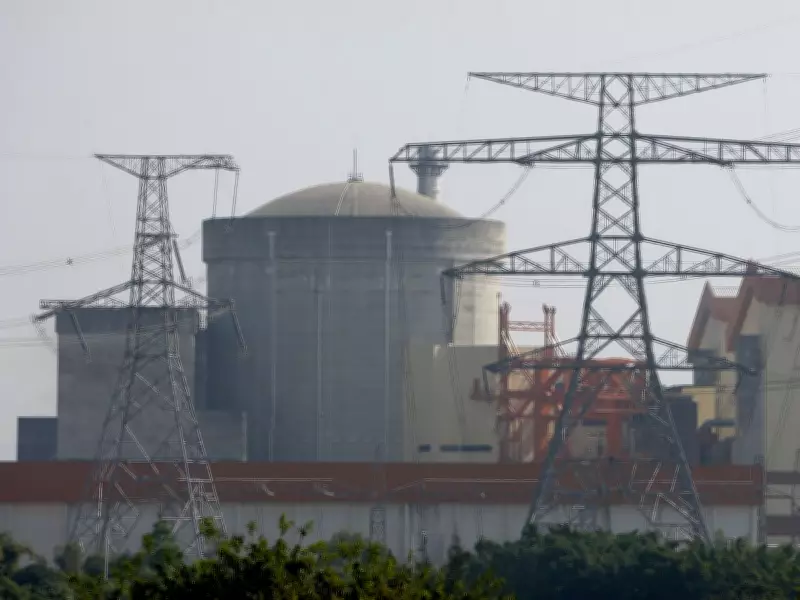
While Western attention focuses on China's green exports, Lomborg argues that the nation's real energy accomplishment is its rapid and substantial investment in nuclear power. This strategy provides a model for reliable, clean energy generation that the West should adopt. China's nuclear expansion represents a sustainable path to energy security and reduced emissions, contrasting with the coal-dependent production of its celebrated green technologies. Lomborg's central thesis is clear: instead of emulating China's export-focused green manufacturing, Western nations should replicate its commitment to nuclear energy development for a genuine and dependable clean energy transition.