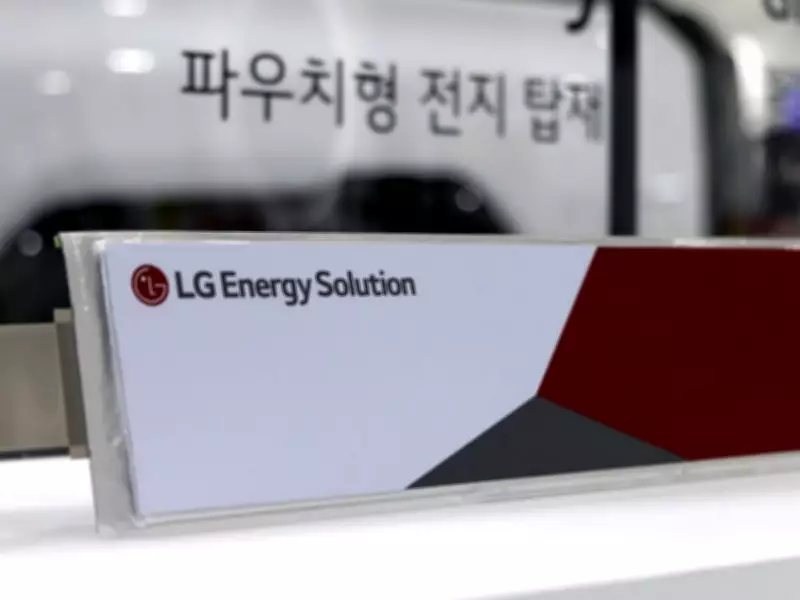
LG Energy Solution Ltd. has confirmed a major agreement to supply Tesla Inc. with $4.3 billion worth of batteries specifically for energy storage systems. The batteries will be manufactured at LG's facility in Lansing, Michigan, with production scheduled to commence next year.
Deal Confirmed Through U.S. Government Statement
The substantial battery supply arrangement was officially confirmed by LG on Tuesday after being referenced in a U.S. Department of the Interior statement. The government document highlighted energy security cooperation between the United States and Indo-Pacific nations, bringing attention to this significant commercial partnership.
This confirmation follows initial reporting by Bloomberg News in July regarding the potential deal between the South Korean battery manufacturer and the American electric vehicle and energy company.

Production Details and Timeline
The Michigan factory will produce lithium-iron-phosphate prismatic battery cells that will specifically power Tesla's Megapack 3 energy storage systems. These systems are manufactured at Tesla's facility in Houston, Texas, creating what the statement described as "a robust domestic battery supply chain."
LG Energy plans to install a new production line at its Lansing facility specifically to fulfill the Tesla order. The company has not disclosed the exact production capacity or the duration of the supply agreement.
Market Context and Strategic Implications
This agreement represents LG Energy's aggressive expansion into the rapidly growing energy storage system market. The company is responding to surging demand primarily driven by artificial intelligence data centers, a slowing electric vehicle transition in the United States, and intensifying competition from Chinese battery manufacturers.
For Tesla, this partnership helps diversify its supply chain away from heavy reliance on Chinese-made LFP cells. The company reported that tariff impacts on its energy storage business amounted to approximately $200 million in the third quarter of 2025 alone, creating strong incentives to localize battery manufacturing within the United States.
Industry Trends and Competitive Landscape
LG Energy is not alone in shifting focus toward energy storage systems. The company, alongside domestic South Korean rivals Samsung SDI Co. and SK On, has been repurposing several electric vehicle battery production lines. LG aims to raise its ESS cell output to more than 60 gigawatt-hours this year.
Market forecasts indicate substantial growth in energy storage demand. BloombergNEF projects that demand from U.S. data centers will more than double from 2024 levels to reach 78 GWh by 2035. This would account for nearly nine percent of the country's entire electricity demand and outpace growth in both electric vehicles and hydrogen applications.
Samsung SDI has projected that the U.S. energy storage system market could reach 130 GWh by 2030, up from approximately 80 GWh currently.
Financial and Market Reaction
Following the announcement, LG Energy shares rose four percent in Seoul trading on Tuesday, reflecting positive investor sentiment toward the company's strategic positioning in the energy storage market.
Tesla did not immediately respond to requests for comment regarding the supply agreement or its implications for the company's energy storage business strategy.
The partnership between LG Energy and Tesla represents a significant development in the North American battery manufacturing landscape, potentially reshaping supply chains and competitive dynamics in both the electric vehicle and energy storage sectors for years to come.