Keystone Pipeline Crack Developed Over 15 Years, Investigation Finds
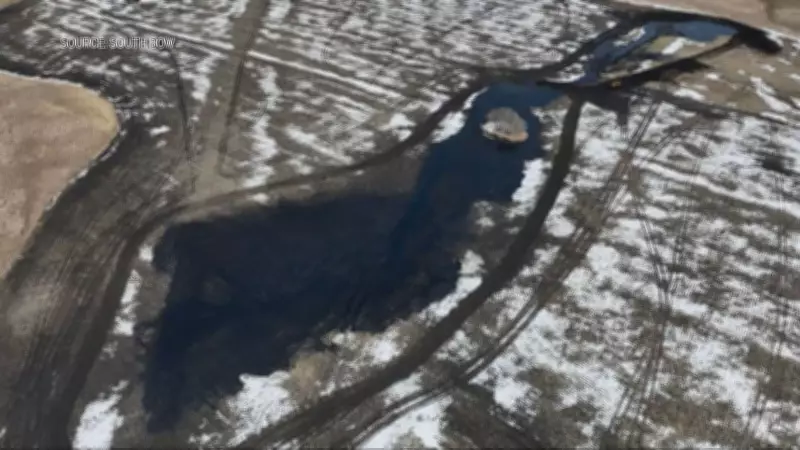
A recent third-party investigation has concluded that a crack in the Keystone pipeline, which likely caused a major oil spill in North Dakota, grew over a period of 15 years. This finding underscores long-term infrastructure vulnerabilities and raises concerns about pipeline safety and maintenance practices.
Details of the Investigation and Spill
The investigation, commissioned to assess the incident, determined that the crack initiated and propagated slowly over more than a decade before resulting in the spill. The oil spill, which occurred in North Dakota, has prompted scrutiny of pipeline integrity and regulatory oversight. Experts describe the timeline as deeply disturbing, suggesting that early detection and intervention could have prevented the environmental damage.
Broader Implications for Pipeline Safety
This incident highlights critical issues in the energy sector, including:

- Aging Infrastructure: Many pipelines in North America are decades old, requiring rigorous inspection and upgrades.
- Environmental Risks: Oil spills can contaminate soil and water, posing threats to ecosystems and communities.
- Regulatory Challenges: Ensuring compliance with safety standards is essential to prevent similar failures in the future.
The Keystone pipeline, operated by TC Energy, has been a focal point in debates over energy transportation and environmental protection. This spill adds to ongoing discussions about balancing economic benefits with ecological safeguards.
Response and Future Monitoring
In response to the investigation, authorities are calling for enhanced monitoring and maintenance protocols for pipelines. Recommendations include increased use of advanced inspection technologies and more frequent audits. The incident serves as a reminder of the importance of proactive measures to safeguard infrastructure and minimize spill risks.
As the energy industry evolves, lessons from this case may influence policies and practices aimed at preventing such long-term failures. Stakeholders, including government agencies and environmental groups, are likely to push for stricter regulations and transparency in pipeline operations.