Global Energy Triage Intensifies as Iran Conflict Disrupts Supply and Sends Prices Soaring
The escalating military conflict in Iran has plunged the world into a severe energy crisis, compelling governments across the globe to implement emergency triage measures. Nations are now prioritizing power conservation, imposing usage restrictions, and enacting price controls in a desperate bid to stabilize markets and mitigate the economic fallout from disrupted supply chains.
Supply Chain Disruptions and Immediate Market Impact
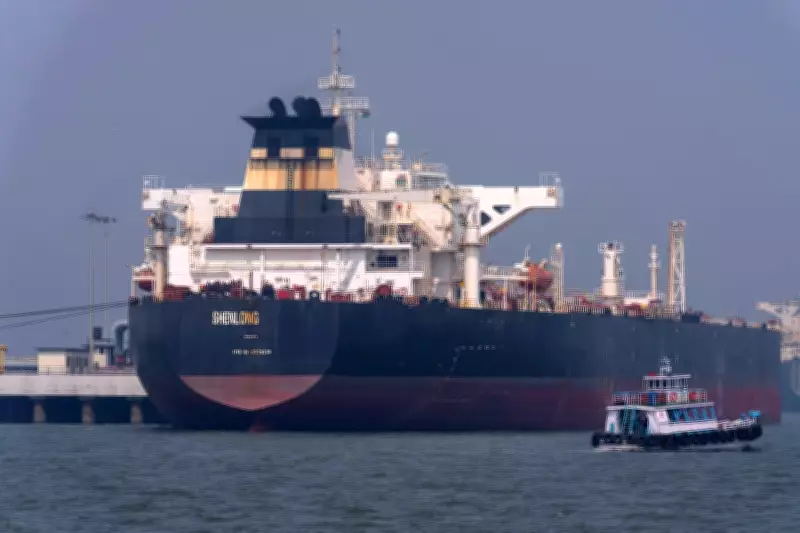
The strategic Strait of Hormuz, a critical maritime chokepoint for global oil shipments, has become a focal point of instability. Recent imagery, such as the Liberia-flagged tanker Shenlong Suezmax arriving at Mumbai Port after navigating the tense strait, underscores the precarious nature of current transit routes. Attacks on shipping and regional volatility have significantly constrained the flow of crude oil from key producers like Saudi Arabia, triggering immediate and sharp price increases worldwide.
This supply shock has manifested directly in consumer markets. For instance, Metro Vancouver has already experienced a surge in gasoline prices, a trend mirrored in many urban centers as the conflict fuels profound global uncertainty. The ripple effects extend beyond transportation, threatening to increase costs for manufacturing, heating, and electricity generation.

Government Responses: Conservation and Price Management
In response to the crisis, national and regional authorities are deploying a mix of regulatory and policy tools. Some jurisdictions are exploring innovative traffic management, such as Ontario's potential move to allow lone drivers to use High Occupancy Vehicle lanes during off-peak hours, aiming to improve fuel efficiency for commuters facing high costs.
Other regions are taking more direct fiscal action. Hydro-Québec recently received a partial reprieve when the provincial energy board rejected a request for a full rate hike, offering temporary relief to consumers. Conversely, protests have erupted in places like Calgary over provincial health plans that critics argue will make services "more expensive for everyone," highlighting how energy-driven inflation exacerbates broader economic anxieties.
Broader Economic and Political Repercussions
The energy triage is occurring against a complex geopolitical backdrop. Canadian political leaders, including figures like Carney and Starmer, have expressed deep concern over the war's disruption to international shipping routes. While Canada has stated it is "leaving the door open" to assist in the Middle East, officials like McGuinty have clarified there are no current plans for offensive engagement, reflecting a cautious diplomatic stance.
Economically, the situation presents a paradox. While Canada's annual inflation showed a slowdown in February, analysts warn this may be a temporary dip before a potential spike driven by energy costs. Meanwhile, stock markets in Canada and the U.S. have seen gains, particularly in technology sectors, even as oil prices exhibit volatility, indicating a fragmented and nervous global economic response.
Long-Term Implications and the Path Forward
This crisis is forcing a harsh reevaluation of global energy security. The immediate triage—prioritizing essential power needs and controlling consumer prices—may offer short-term stability. However, long-term solutions will likely require accelerated investment in renewable energy sources, enhanced strategic reserves, and more resilient supply chain logistics to reduce dependency on volatile regions.
As nations navigate this period of energy scarcity, the collective focus remains on preventing widespread blackouts, protecting vulnerable populations from crippling costs, and maintaining industrial output. The Iran conflict has starkly revealed the fragility of interconnected global energy networks, making effective triage not just a policy choice, but an urgent necessity for economic survival.