Iran Conflict Sparks Gas Price Surge in Winnipeg, Fueling Energy Security Debate
The ongoing military conflict in Iran is sending shockwaves through global energy markets, with Winnipeg drivers feeling the pinch at the pump as gasoline prices climb sharply. This disruption underscores Canada's vulnerability to international oil supply fluctuations and has reignited contentious discussions about domestic energy infrastructure.
Global Oil Market Turbulence Hits Home
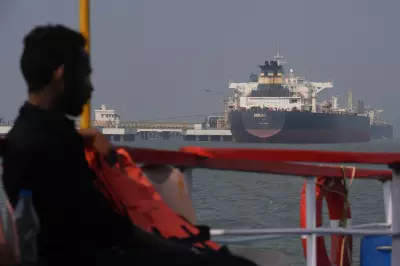
Recent exchanges of missile strikes between Iran and Israel, along with broader Middle East tensions, have rattled global crude oil supplies. Key shipping routes are experiencing disruptions, and several production facilities have faced shutdowns, creating a perfect storm for price increases. Brent crude futures have surged, directly translating to higher costs for refined gasoline across North America.
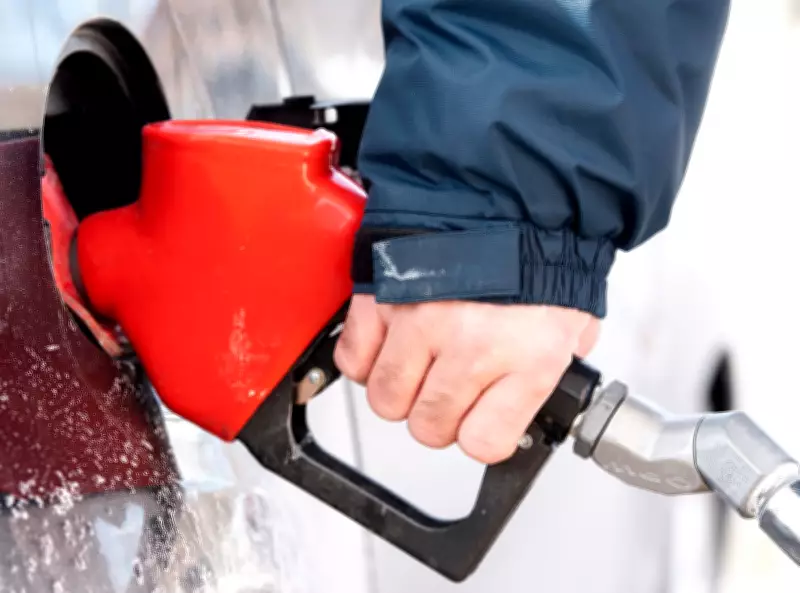
In Winnipeg, stations have adjusted prices upward multiple times this week, with some locations reporting increases of over 10 cents per liter. This immediate impact demonstrates how geopolitical instability thousands of miles away can swiftly affect everyday expenses for Canadian consumers.

Pipeline Politics Resurface Amid Crisis
The price spike has brought renewed attention to Canada's energy security strategy. Alberta Premier Danielle Smith recently argued that the Iran conflict highlights the urgent need for new pipeline projects to ensure stable domestic supply and reduce reliance on volatile international markets. "When global events disrupt oil flows, Canada should not be at the mercy of foreign suppliers," she stated, pointing to proposed pipelines that could enhance national distribution networks.
However, this perspective faces opposition from environmental groups and some political factions who advocate for accelerated transition to renewable energy sources rather than fossil fuel infrastructure expansion. The debate encapsulates the broader national dilemma balancing economic stability with climate commitments.
Broader Economic and Consumer Implications
Beyond direct fuel costs, analysts warn that sustained high oil prices could trigger inflationary pressures across the economy. Transportation logistics for goods may become more expensive, potentially raising prices for everything from groceries to retail products. For Winnipeg households already grappling with cost-of-living challenges, this adds another financial strain.
Local trucking companies and delivery services report adjusting budgets to account for fuel surcharges, while some commuters are reconsidering their driving habits. Public transit usage data from Winnipeg Transit shows a slight uptick in ridership coinciding with the gas price increases, suggesting behavioral adaptations are already underway.
Looking Ahead: Uncertainty and Adaptation
The duration and severity of the price impact remain uncertain, heavily dependent on how the Iran conflict evolves and whether other oil-producing regions experience collateral disruptions. Energy economists suggest that unless there is a rapid de-escalation, elevated prices could persist for weeks or even months.
In response, some Winnipeg businesses are exploring efficiency measures, while policymakers face renewed pressure to address long-term energy resilience. The situation serves as a stark reminder of the interconnectedness of global events and local economies, prompting calls for more robust contingency planning at both municipal and national levels.