Iran Conflict Threatens to Drive Up Gas Prices in Maritime Provinces
As geopolitical tensions escalate in the Middle East, the ongoing conflict involving Iran is sending shockwaves through global energy markets, with significant implications for consumers in Canada's Maritime provinces. The situation, marked by military exchanges and supply chain disruptions, is poised to impact fuel costs locally, highlighting the region's vulnerability to international oil price fluctuations.
Global Oil Supply Disruptions
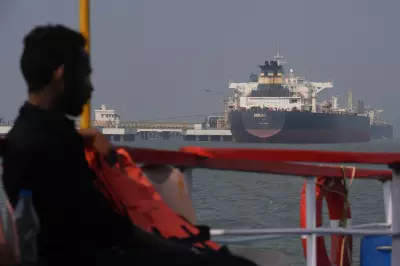
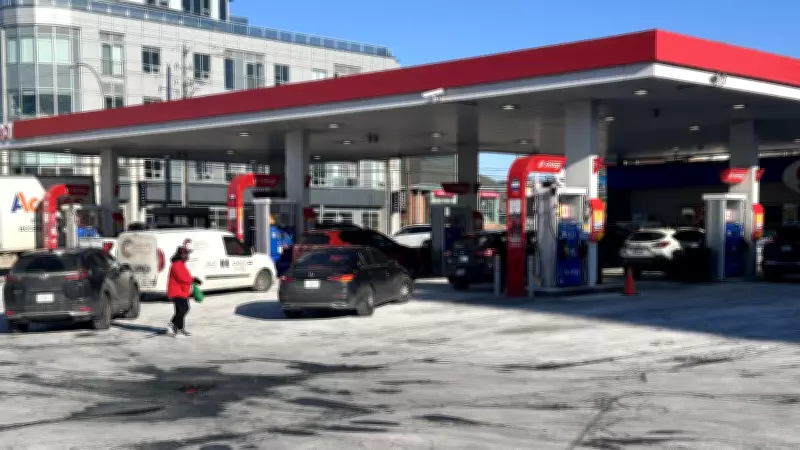
The conflict has led to critical disruptions in oil tanker routes and facility shutdowns, rattling the global supply chain. These interruptions are driving a surge in crude oil and fuel prices worldwide, as markets react to the heightened uncertainty. With the Maritimes heavily reliant on imported petroleum products, any sustained increase in global oil prices is likely to translate directly into higher prices at the pump for residents.
Energy analysts warn that the volatility could persist if the conflict widens, potentially involving Iranian-backed militias and further straining supply lines. This comes at a time when other factors, such as seasonal demand and refinery maintenance, may exacerbate price pressures.

Impact on Atlantic Canada
In the Maritimes, where transportation and heating costs are closely tied to fuel prices, even a modest spike could strain household budgets. The region's economy, which includes sectors like fishing and tourism, may also feel the pinch as operational costs rise. Local officials are monitoring the situation closely, though there are few immediate buffers against global market forces.
Historically, conflicts in oil-rich regions like the Middle East have led to sharp increases in gas prices in Canada, and the current crisis appears to be following a similar pattern. Consumers are advised to prepare for potential fluctuations and consider energy-efficient practices to mitigate costs.
Broader Context and Responses
Amidst these developments, Canada has urged a diplomatic solution in Iran, though it has not explicitly labeled recent strikes as illegal. The federal government's stance reflects a cautious approach to avoid further market instability. Meanwhile, other news highlights, such as provincial agreements on alcohol sales and mining strategies, underscore the diverse challenges facing Canadian regions, but the energy price issue remains a pressing concern for Maritimers.
As the conflict continues to evolve, with live updates on troop casualties and military actions, the focus in Atlantic Canada will likely remain on how these distant events translate into everyday expenses. Stakeholders, from policymakers to consumers, are bracing for a period of uncertainty in the energy sector.