Iran Moves Forward with Strait of Hormuz Toll Proposal
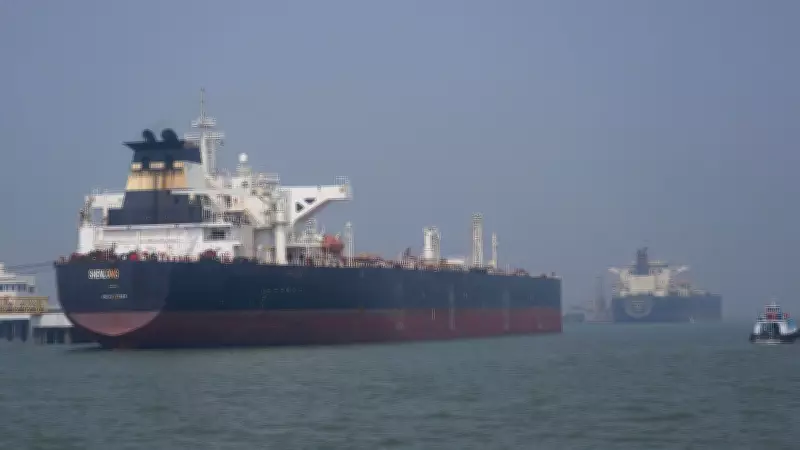
In a significant development that could impact global energy markets, Iran's parliamentary commission has officially approved a plan to levy tolls on vessels navigating the Strait of Hormuz. This strategic waterway serves as a crucial conduit for approximately one-fifth of the world's oil supply, making this decision particularly consequential for international trade and geopolitical stability.
Details of the Approved Plan
The approval was confirmed by Iranian state television, though specific details regarding implementation timelines, fee structures, and enforcement mechanisms remain undisclosed. The Strait of Hormuz, a narrow passage between the Persian Gulf and the Gulf of Oman, is already a focal point of regional tensions and military posturing. This new toll initiative introduces an additional layer of complexity to maritime operations in this volatile area.
Analysts suggest that this move could be interpreted as a strategic assertion of control by Iran over a vital international shipping lane. The timing of this approval is noteworthy, coming amid ongoing diplomatic strains and security concerns in the Middle East. The potential economic implications are substantial, as increased transit costs could ripple through global oil prices and supply chains.

Global and Regional Reactions
While official international responses are still emerging, the proposal is likely to draw scrutiny from major oil-consuming nations and shipping associations. The strait is bordered by Iran and Oman, with both nations holding stakes in its security and management. Historically, freedom of navigation through such international straits is protected under international maritime law, potentially setting the stage for legal and diplomatic challenges.
Regional security experts caution that any unilateral imposition of fees could escalate existing tensions. The strait has previously been a flashpoint for confrontations, including tanker seizures and military incidents. This development may prompt increased naval patrols and heightened alert levels among shipping companies operating in the region.
Broader Context and Implications
The decision aligns with Iran's broader efforts to leverage its geographic position for economic and political advantage. However, it also risks further isolating the country from key trading partners and complicating already delicate nuclear negotiations. For global markets, the primary concern is the uninterrupted flow of oil, with any disruption potentially triggering price volatility and supply shortages.
As the situation evolves, stakeholders from the energy sector, international diplomacy, and maritime security will be closely monitoring Iran's next steps. The implementation of this toll plan could redefine operational norms in one of the world's most critical maritime corridors, with lasting effects on global energy security and geopolitical dynamics.