Drivers in the Greater Toronto Area are bracing for a significant financial hit at the pumps as fuel costs are projected to escalate sharply this week. According to industry experts, this surge is tied to broader geopolitical tensions and domestic energy policies that are impacting affordability.
Immediate Price Hikes Announced
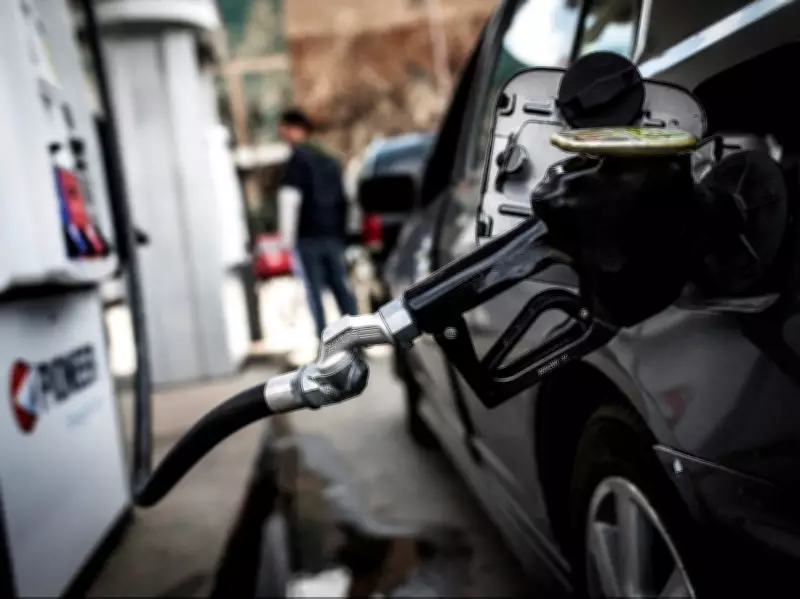
Dan McTeague, president of Canadians for Affordable Energy, has forecasted a six-cent per litre increase in gasoline prices effective at 12:01 a.m. on Wednesday. This will push the average cost from 137.9 cents per litre to 143.9 cents per litre across local stations. A subsequent rise of another six cents is anticipated on Thursday, elevating the price to 149.9 cents per litre in the GTA.
Diesel Costs Skyrocket
The situation is even more dire for diesel users. McTeague predicts a staggering 13-cent per litre jump on Wednesday, followed by an additional 12 to 13 cents on Thursday. He expressed concern over this development, noting that diesel is a critical global fuel that influences the pricing of numerous goods and services. "Diesel's the global workhorse. It's the most important fuel," McTeague emphasized, highlighting its widespread economic implications.

Global and Domestic Factors at Play
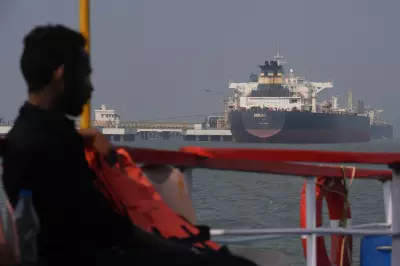
McTeague pointed to the ongoing conflict in the Middle East, particularly disruptions in the Strait of Hormuz, as a key driver of the price spikes. This strategic waterway, controlled by Iran, affects oil shipments from major producers like Saudi Arabia and Kuwait, leading to supply constraints. However, he also underscored a domestic issue: pipeline blockades in Canada.
"You block pipelines, you also affect the Canadian dollar," McTeague stated, criticizing policies that have hindered energy exports. He explained that historically, during global conflicts, Canada's oil exports would bolster the Canadian dollar, cushioning consumers from full price impacts. Today, that buffer is absent due to reduced export capacity.
Economic Repercussions
The weakening Canadian dollar, which has lost value recently, exacerbates the problem. McTeague lamented that Canada, once an energy-rich nation capable of mitigating global shocks, is now sidelined. "An energy-rich nation like Canada that could be a solution now finds itself sidelined as a result of its woke policies," he remarked, referencing environmental, social, and governance (ESG) initiatives that have limited energy development.
He contrasted this with past crises, such as in 2008, when the Canadian dollar absorbed much of the oil price increases, protecting consumers. Now, without robust export infrastructure, Canadians face steeper costs directly.
Looking Ahead
McTeague warned that the price fluctuations will depend on ongoing events in the Middle East, but the underlying issue remains energy policy. "You fool around with energy, its availability, its reliability, you damage its affordability," he concluded, urging a reevaluation of strategies to ensure future stability.
As GTA residents prepare for higher fuel bills, the debate over pipelines and energy independence continues to intensify, highlighting the complex interplay between global markets and local decisions.