Gas Prices Surge in Major Cities: Are Stations Profiting?
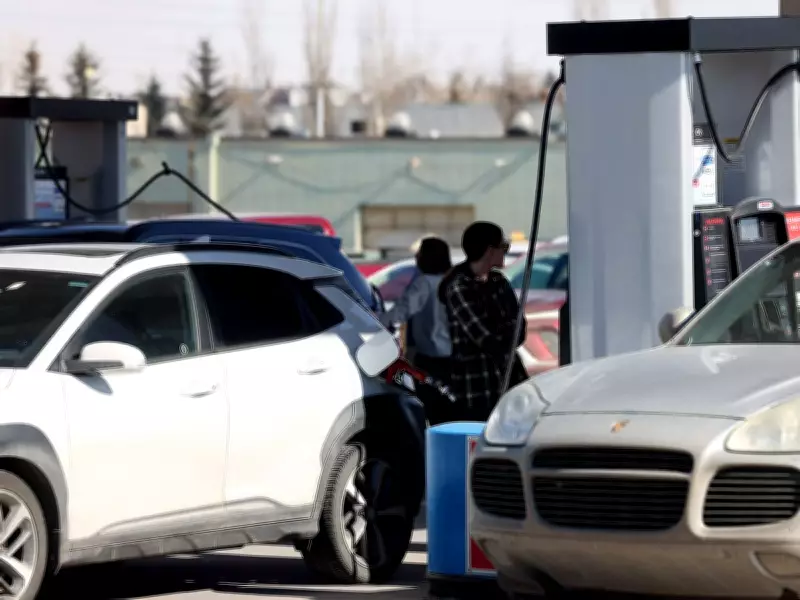
Gas prices have experienced a notable increase in several large urban centers, raising questions about the role of fuel stations in this upward trend. This development has caught the attention of consumers and industry analysts alike, as it impacts daily commuting and overall economic activity.
Factors Behind the Price Hike
The rise in gas prices can be attributed to a combination of factors, including fluctuations in global oil markets, supply chain disruptions, and seasonal demand changes. Additionally, regional taxes and environmental regulations may contribute to higher costs at the pump. These elements create a complex pricing landscape that affects both consumers and businesses.
Station Profit Margins Under Scrutiny
As prices climb, there is growing scrutiny over whether gas stations are benefiting from these conditions. While stations often operate on thin margins, some reports suggest that certain locations may be adjusting prices to maximize profits during periods of high demand. This has led to debates about transparency and fairness in the fuel retail sector.

Consumer Impact and Responses
The increase in gas prices places a financial burden on drivers, particularly in cities where commuting distances are longer. In response, some consumers are exploring alternatives such as carpooling, public transportation, or electric vehicles to mitigate costs. Industry experts recommend monitoring price trends and shopping around for the best deals to manage expenses effectively.
Future Outlook and Industry Insights
Looking ahead, gas prices are expected to remain volatile due to ongoing market uncertainties. Stakeholders, including policymakers and industry leaders, are encouraged to foster greater transparency in pricing mechanisms to ensure fair practices. Understanding these dynamics is crucial for navigating the evolving energy landscape.