Global Energy Markets Reel as Qatar Halts LNG Production Following Iranian Attack
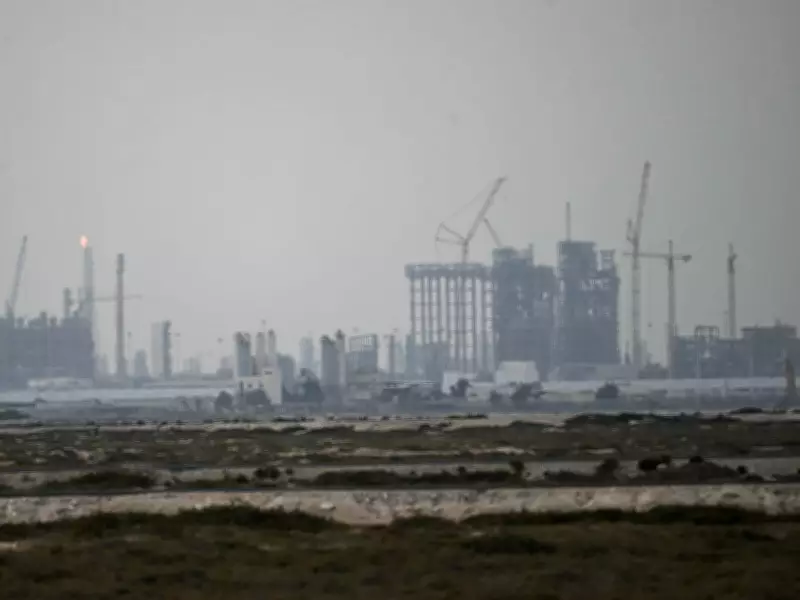
European benchmark gas futures experienced their most significant single-day surge in nearly four years on Monday, skyrocketing more than 50% after QatarEnergy confirmed the unprecedented shutdown of liquefied natural gas production at the world's largest export facility. The dramatic escalation follows an Iranian drone attack targeting the Ras Laffan Industrial City complex, sending shockwaves through global energy markets and threatening worldwide energy security.
Unprecedented Production Halt at Critical Facility
The Ras Laffan plant, operated by QatarEnergy, supplies approximately one-fifth of global LNG supply, making its sudden operational suspension particularly devastating for international energy markets. This disruption represents the most serious potential shock to gas markets since Russia's invasion of Ukraine four years ago fundamentally reshaped global energy trade patterns. The conflict's expansion into energy infrastructure marks a dangerous new phase with immediate implications for consumers and industries worldwide.
"The threat to security of supply is here and now," emphasized Simone Tagliapietra, an analyst at Bruegel. "The shutdown marks an abrupt acceleration in the energy implications of the situation. The extent of it will depend on the duration of the shutdown, but we are now into a new scenario."

Shipping Disruptions Compound Market Chaos
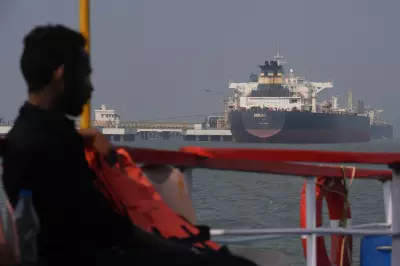
Compounding the production shutdown, maritime traffic through the critical Strait of Hormuz has largely ceased, creating major bottlenecks that could lead to fuller storage tanks for QatarEnergy. The strategic waterway carries about 20% of the world's liquefied natural gas exports, making its disruption particularly damaging to global energy logistics. Insurance complications are further exacerbating the situation, with more than half of the world's largest maritime insurance clubs announcing they will stop providing war-risk coverage for vessels entering the Persian Gulf starting Thursday.
This insurance withdrawal is likely to deter cargo loadings throughout the region, creating additional supply chain complications. The dramatic slowdown of traffic through this essential shipping route represents a secondary shock to markets already reeling from the production halt.
Global Price Impacts and Regional Consequences
Dutch front-month futures, Europe's primary gas benchmark, traded 45% higher at €46.19 per megawatt-hour by mid-afternoon in Amsterdam. While Asian countries purchase most LNG shipped from the Middle East, analysts warn that any disruption would increase competition for alternative supplies, pushing prices upward worldwide, including in Europe where energy markets remain particularly sensitive to supply shocks.
"The price shock from the loss of Middle East LNG could be similar to 2022, after Russia's invasion of Ukraine," cautioned Mike Fulwood, senior research fellow at the Oxford Institute for Energy Studies. "Such a surge could have dire consequences for government budgets in Europe and Asia."
Regional Energy Production Also Affected
The conflict's energy implications extend beyond Qatar's facilities. Israel ordered the temporary closure of some gas-producing capacities on Saturday, including its massive Leviathan gas field. This decision prompted major importer Egypt to seek additional LNG cargoes, further tightening global supply. Meanwhile, gas trade disruptions in the Middle East could eventually increase spot LNG demand from Turkey, which imports pipeline fuel from Iran, according to analysis from BloombergNEF.
The conflict continues to intensify across the region, with explosions reported in Israel, Saudi Arabia, Qatar, and the United Arab Emirates as states intercepted Iranian missiles launched in response to U.S.-Israeli strikes. U.S. President Donald Trump indicated the bombing campaign against Iran could persist for weeks, suggesting prolonged instability for energy markets.
This convergence of production shutdowns, shipping disruptions, insurance complications, and regional conflict creates a perfect storm for global energy markets, with implications likely to extend far beyond immediate price spikes to affect economic stability and energy security worldwide.