Global energy markets are experiencing significant turbulence as the ongoing crisis in Iran severely disrupts international shipping and hydrocarbon production. The escalating conflict has led to a sharp increase in oil and gas prices, sending shockwaves through economies worldwide and prompting urgent assessments of supply chain vulnerabilities.
Immediate Impact on Shipping and Production
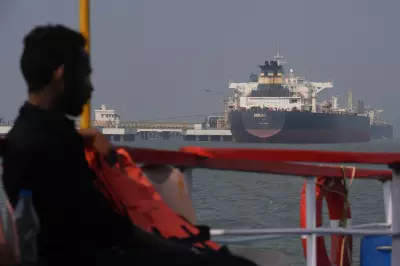
The strategic importance of the Strait of Hormuz, a critical maritime chokepoint for global oil shipments, has placed it at the center of the disruptions. Reports indicate that tanker traffic has been hampered by security concerns and operational delays, directly affecting the flow of crude oil and liquefied natural gas (LNG) to international markets. Simultaneously, production facilities in the region have faced shutdowns or reduced output due to the unstable geopolitical environment, further tightening supply.
Economic Repercussions and Market Reactions
Financial analysts are closely monitoring the situation as benchmark oil prices have surged, reflecting heightened anxiety over sustained supply constraints. This price spike is translating into higher costs for consumers and industries reliant on energy, with potential implications for inflation and economic growth. The volatility underscores the interconnected nature of global energy systems, where regional instability can have far-reaching consequences.

Industry experts warn that prolonged disruptions could lead to more severe economic strain, particularly for nations heavily dependent on energy imports. Contingency planning and diversification of energy sources are becoming increasingly critical topics for policymakers and corporate leaders.
Broader Geopolitical Context
The crisis in Iran is part of a complex geopolitical landscape affecting the Middle East. Military actions and diplomatic tensions have contributed to a climate of uncertainty, influencing not only energy markets but also international relations and security protocols. The situation remains fluid, with developments being tracked for their potential to either escalate or de-escalate the current pressures on global energy infrastructure.
As the conflict enters a critical phase, stakeholders across the energy sector are bracing for continued volatility. The immediate focus is on mitigating supply chain risks and stabilizing markets to prevent broader economic fallout from the ongoing disruptions in shipping and production.