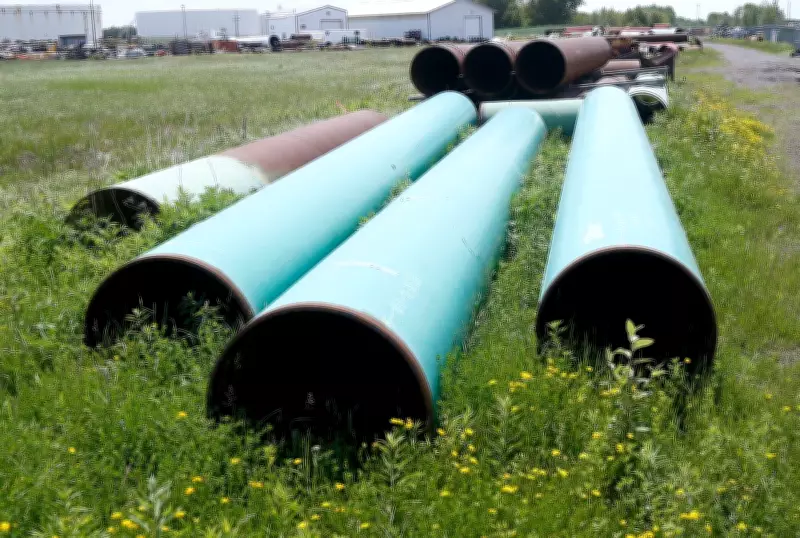
Enbridge Initiates Pipeline Rerouting Around Wisconsin Reservation After Prolonged Legal Proceedings
After enduring years of complex legal wrangling, Enbridge Energy has officially commenced the rerouting of a major crude oil pipeline to circumvent a Wisconsin reservation. This development represents a pivotal moment in the long-standing and often contentious project, which has faced significant opposition and regulatory hurdles.
Background of the Legal and Environmental Dispute
The pipeline, which historically transported crude oil, has been a focal point of environmental and indigenous rights concerns. The legal battles centered on the pipeline's original route, which intersected with the Wisconsin reservation, prompting fierce advocacy from local communities and environmental groups. These stakeholders argued that the pipeline posed risks to sacred lands, water resources, and public health, leading to a series of court challenges and negotiations.
Enbridge, a key player in North America's energy infrastructure, has consistently maintained that the pipeline is essential for energy security and economic stability. However, the company ultimately agreed to reroute the pipeline following sustained legal pressure and evolving regulatory standards. This decision aligns with broader industry trends toward addressing environmental and social governance concerns.

Implications for Energy Infrastructure and Community Relations
The rerouting process involves significant engineering and logistical efforts, as the new path must meet stringent safety and environmental regulations. This move is expected to set a precedent for how energy companies navigate similar disputes involving indigenous territories and environmental protection. Experts suggest that it could influence future pipeline projects across the continent, emphasizing the need for early community engagement and adaptive planning.
Local officials and tribal representatives have expressed cautious optimism about the rerouting, noting that it reflects a hard-won compromise. However, they continue to monitor the construction phase closely to ensure compliance with agreed-upon safeguards and to mitigate any potential disruptions to the local ecosystem.
Future Outlook and Industry Reflections
As Enbridge progresses with the rerouting, the energy sector is watching closely. This case highlights the increasing intersection of legal, environmental, and social factors in infrastructure development. Analysts predict that such considerations will become even more critical as global energy demands evolve and climate change policies tighten.
In summary, the initiation of the pipeline reroute marks a significant step forward in resolving a protracted dispute, balancing energy needs with environmental and community interests. It underscores the importance of collaborative solutions in modern infrastructure projects.