Cubans Grapple with Survival as U.S. Oil Blockade Deepens Energy Crisis
In a stark development impacting daily life, Cubans are confronting a deepening energy crisis as the United States moves to block oil supplies to the island nation. This escalation has left many citizens wondering how they will survive amid growing fuel shortages and economic instability.
Escalating Tensions and Immediate Impacts
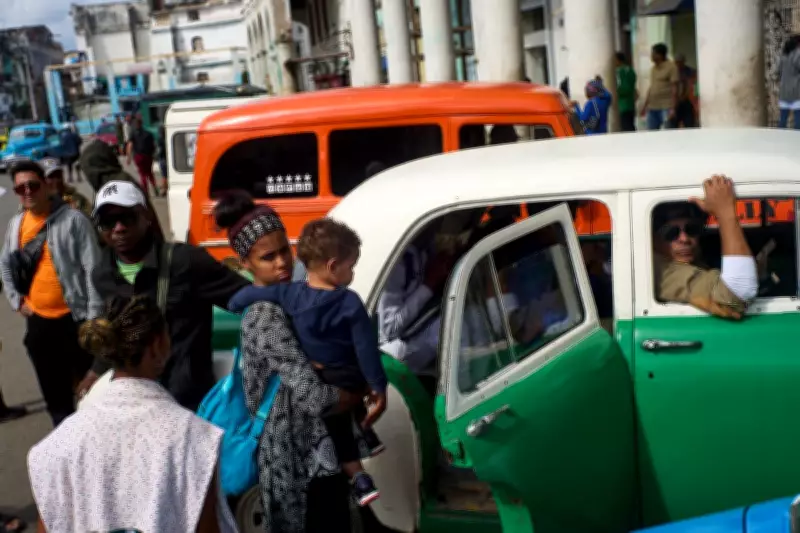
The U.S. decision to restrict oil shipments comes at a critical time for Cuba, which relies heavily on imported energy to power its economy and infrastructure. Reports from Havana depict long lines at gas stations and shared taxi stands, with residents facing extended waits for basic transportation. The visual evidence, captured in recent photographs, shows people crowding streets as they seek limited mobility options, highlighting the immediate human toll of this policy shift.
This energy squeeze exacerbates existing challenges in Cuba, including food scarcity and healthcare limitations, pushing the population toward a precarious edge. Analysts suggest that the blockade could strain diplomatic relations further while testing the resilience of Cuban society in the face of external pressures.

Broader Context and Regional Implications
The move by the United States is part of a broader geopolitical strategy that has seen fluctuating approaches toward Cuba over decades. Historically, energy shortages have triggered social unrest and economic downturns on the island, making this latest development a significant concern for regional stability. Neighboring countries in the Caribbean and Latin America may feel secondary effects, as trade routes and energy markets adjust to the new restrictions.
Furthermore, the crisis underscores the vulnerability of small nations to global power dynamics, with Cuba's plight serving as a case study in how international policies can directly impact civilian survival. Experts warn that prolonged energy deficits could lead to increased migration pressures and humanitarian issues, complicating efforts for peaceful resolution.
Looking Ahead: Uncertainty and Adaptation
As Cubans navigate this uncertain landscape, community-led initiatives and alternative energy sources are gaining attention. However, the scale of the crisis demands more substantial solutions, potentially involving international mediation or shifts in U.S. foreign policy. The coming months will be crucial in determining whether Cuba can mitigate the worst effects of the energy blockade or if further deterioration is inevitable.
In summary, the U.S. move to block oil supplies has plunged Cuba into a severe energy crisis, raising urgent questions about survival and stability. With citizens already feeling the pinch, the situation calls for careful monitoring and proactive measures to prevent a full-blown humanitarian emergency.