Cubans Grapple with Persistent Power Outages as Geopolitical Tensions Intensify
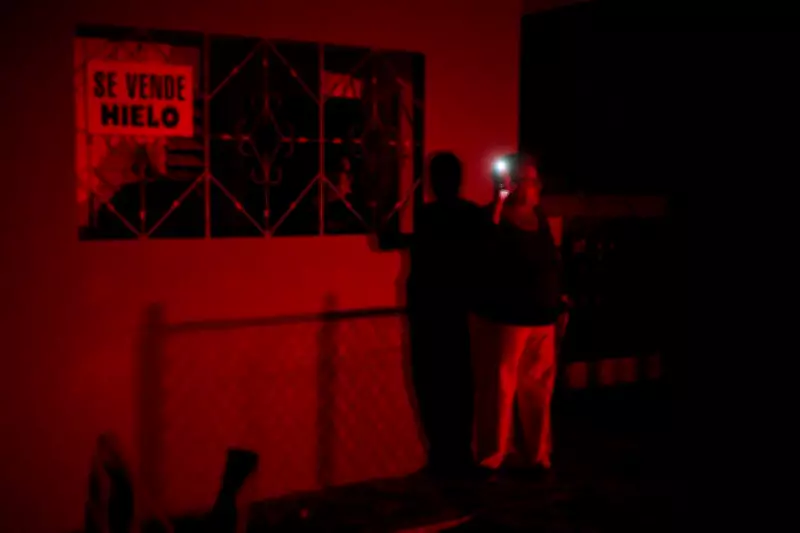
Residents across Cuba are confronting a deepening crisis as prolonged electricity blackouts continue to disrupt daily life, compounded by escalating diplomatic strains with the United States. In communities like Santa Cruz del Norte, home to one of the nation's largest thermoelectric plants, scheduled power outages have become a grim routine, forcing citizens to adapt with makeshift solutions such as using cellphone flashlights for illumination during evening hours.
Energy Rationing and Infrastructure Challenges
The Cuban government has implemented energy rationing measures in response to persistent grid failures and fuel shortages. These outages, often lasting for hours, impact everything from household activities to local businesses, exacerbating economic hardships in a country already grappling with inflation and supply constraints. The reliance on aging thermoelectric plants, like the one in Santa Cruz del Norte, underscores the urgent need for infrastructure upgrades and diversified energy sources.
Experts point to a combination of factors driving the power crisis, including:

- Decades of underinvestment in the electrical grid.
- Fuel import dependencies affected by global market fluctuations.
- Technical inefficiencies and maintenance backlogs at power generation facilities.
Escalating Tensions with the United States
Amid these domestic challenges, relations between Cuba and the United States have grown increasingly tense, adding a layer of geopolitical complexity to the situation. Historical sanctions and recent policy shifts have strained bilateral ties, potentially hindering international aid or investment that could alleviate the energy crisis. The U.S. has maintained a firm stance on human rights and political reforms in Cuba, while Cuban officials often blame American embargoes for exacerbating economic woes.
This geopolitical friction may influence the availability of resources needed to address the power shortages, such as spare parts for machinery or access to renewable energy technologies. As tensions escalate, the prospect of collaborative solutions appears remote, leaving Cubans to bear the brunt of both infrastructural and diplomatic failures.
Community Resilience and Adaptation
Despite the hardships, Cuban communities are demonstrating remarkable resilience. Neighbors share resources, and local initiatives have emerged to support vulnerable populations during outages. However, the long-term sustainability of such efforts remains uncertain if systemic issues are not addressed. The ongoing crisis highlights broader themes of energy security and sovereignty in the face of global pressures.
As blackouts persist and international relations remain fraught, the path forward for Cuba involves not only technical fixes but also diplomatic engagement. The world watches as this island nation navigates a critical juncture, balancing internal needs with external pressures in an increasingly interconnected geopolitical landscape.