Canada's Energy Policy Failure Exposed as Oil Prices Soar Beyond $100
The consequences of Canada's decade-long neglect of energy infrastructure are becoming painfully clear as global oil prices surge past $100 per barrel. While other nations capitalize on the market opportunity created by Middle East conflict, Canada finds itself unable to fully benefit due to critical pipeline shortages.
Geopolitical Crisis Triggers Energy Market Chaos
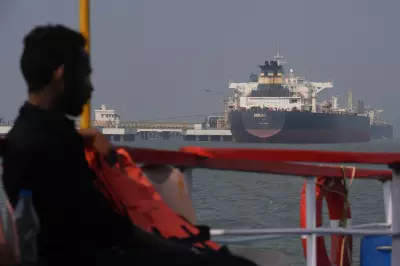
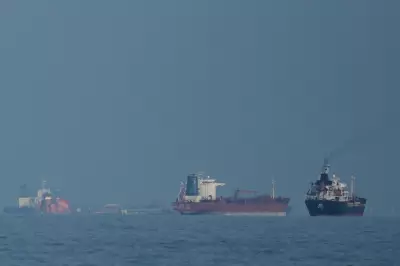
The immediate catalyst for the price spike stems from military actions involving American and Israeli forces in Iran, leading to the effective closure of the Strait of Hormuz. This critical maritime passage typically handles approximately 20-22 million barrels of oil daily, representing roughly 20% of global consumption. Additionally, Qatar's substantial liquefied natural gas (LNG) supply, accounting for about 20% of global LNG, also transits through this strategic waterway.
The closure has created a dire situation where Middle Eastern producers cannot transport their oil and gas via tankers. The severity became evident when oil prices turned negative on the "trapped" side of the Strait, forcing producers to pay customers to take their oil. This unprecedented development has triggered production shutdowns across the region.

Production Cuts and Market Consequences
Major energy producers have already taken emergency measures:
- Qatar halted natural gas production on March 4
- Kuwait Petroleum Company reduced oil output and declared force majeure on March 7
- Iraqi oil production plummeted from 4.3 million to 1.3 million barrels per day by March 8
These developments have pushed Brent Crude and West Texas Intermediate (WTI) benchmarks above $100 per barrel, with prices increasing by over $20 in just two weeks. The global energy market, already operating under tight conditions, now faces significant disruption that shows no signs of immediate resolution.
Canada's Missed Economic Opportunity
While Canadian oil producers benefit somewhat from higher prices for existing production, the nation's failure to develop adequate pipeline infrastructure severely limits potential gains. Canada's inability to access markets beyond the United States represents what should be considered a national scandal, with billions in potential revenue lost.
The current situation exposes the flawed reasoning behind previous claims that "there was no business case" for LNG development or that global markets wouldn't want additional Canadian oil. Despite recent attempts by the government to reverse past policy failures, no substantial infrastructure has actually been constructed or completed.
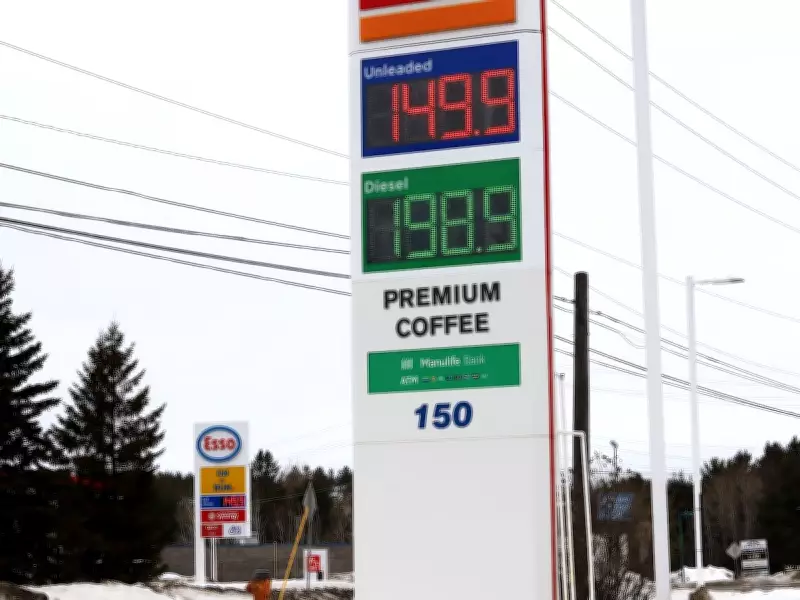
This energy policy failure has real-world consequences for Canadians, including dramatic fuel price increases in communities like Greater Sudbury, where residents face the direct impact of global market volatility without the cushion of domestic infrastructure that could mitigate price shocks.
The contrast with the United States is particularly stark. While American energy producers capitalize on the situation, Canada's lack of pipeline capacity and egress capability leaves the nation watching from the sidelines as other countries reap the benefits of soaring energy prices.