The United States is once again evaluating alternative sources for its crude oil imports, with recent political shifts in Venezuela bringing this strategic reality into sharp focus for Canada. This development serves as a critical reminder that Canada's energy security and economic prosperity cannot rely solely on a single, albeit dominant, trading partner.
The Looming Threat to a Vital Trade Relationship
While Canada currently enjoys its position as the top supplier of oil to the U.S., this status is not guaranteed indefinitely. The vast majority of Canadian production flows to refineries in the American Midwest and, via the Trans Mountain pipeline system, to the U.S. West Coast. Geography and existing infrastructure have long been advantages, but global dynamics are fluid.
Economist Charles St-Arnaud has quantified the potential impact, estimating that even a 10 per cent decline in Canada’s oil exports to the U.S. would result in a staggering $13-billion drop in Alberta’s exports alone. Although a full-scale replacement of Canadian barrels by Venezuela is not imminent due to that country's dilapidated oil infrastructure, the warning is clear: incremental changes matter and can have outsized economic consequences.

Diversification is a Shield, Not Just a Strategy
The completion of the Trans Mountain Expansion (TMX) project has already begun to pay dividends, slightly reducing the U.S. share of Canada's oil exports from nearly 97 per cent and opening doors to markets in Asia. This move towards diversification is championed by leaders like Alberta Premier Danielle Smith, who argues it strengthens Canada's bargaining power in a volatile global market.
However, TMX is rapidly approaching capacity. It cannot support future production growth or provide adequate backup if disruptions occur. Relying on a single export market or a single pipeline is akin to investing an entire portfolio in one stock—a risk no prudent advisor would recommend. For a democratic, politically stable G7 nation like Canada, failing to leverage these inherent advantages through market access is a missed opportunity.
The Case for Acting Now: Infrastructure Cannot Be Built Overnight
Some advocate for building more domestic refining capacity instead of pipelines. While valuable, refining does not solve the core problem of market access. Without reliable routes to global customers, Canadian producers remain price takers, subject to discounts and the whims of a monopsony buyer.
The fundamental challenge is time. Supply shocks, sanctions, and political decisions can happen overnight, but major energy infrastructure takes years, even a decade, to permit and build. The situation in Venezuela is not an immediate crisis for Canada, but it is a potent signal. Waiting for risks to fully materialize before acting is not a strategy; it is negligence.
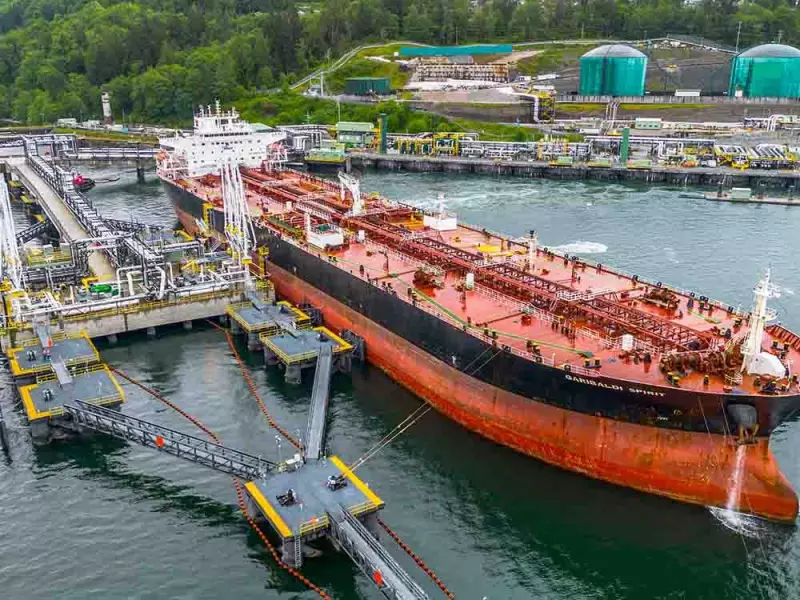
Building additional pipeline capacity, particularly to tidewater on the West Coast, is a resilience measure. It would provide crucial options, improve the prices Canadian producers receive, and ensure the sector is not held hostage by the geopolitical or economic decisions of a single nation. As Gary Mar, President and CEO of the Canada West Foundation, concludes, trade diversification is no longer optional—it is an urgent imperative for securing Canada's economic future.