In a new column, National Post's Kelly McParland urges a measured response from Canada regarding the recent U.S. intervention in Venezuela and its oil, suggesting historical precedent and current market realities argue against panic.
Lessons from the 1970s Oil Shock
McParland recalls the 1970s OPEC oil embargo, which sent prices soaring and caused widespread economic disruption in the West. Long gas lineups, station shortages, and slashed speed limits led many to predict the end of family road trips and a permanent shift to strict conservation.
However, his father's skepticism proved prescient. Instead of accepting doom, he purchased a Florida beach townhouse at a bargain price during the subsequent real estate crash. The market eventually adjusted, lineups vanished, and, as McParland notes, gas-guzzling pickup trucks like Ford's F-Series have dominated sales for over four decades. The experience taught him that global crises often unfold differently than short-term predictions suggest.

The Venezuela Intervention: A Crisis of Uncertainty
McParland positions the United States' sudden move into Venezuela as a prime example of such unpredictable events. He describes it as potentially the administration's most disruptive threat to world order yet, or a miscalculation that could backfire by alienating Americans focused on domestic affordability.
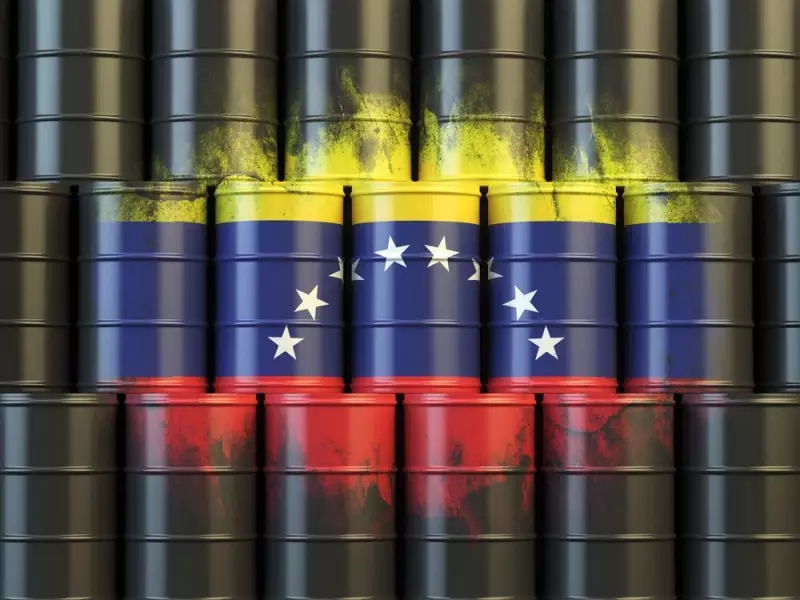
The situation remains fluid and contradictory. Initial declarations from former President Donald Trump about running the country shifted to reports of Vice President Delcy Rodríguez leading under U.S. oversight. This was followed by claims on Truth Social of a deal to hand over 30 to 50 million barrels of sanctioned oil to the U.S., while keeping parts of the old order in place.
McParland highlights the ongoing power struggle, noting that figures like Diosdado Cabello, a powerful Maduro loyalist under U.S. indictment, could still upend any arrangement to secure his own power.
A World Awash in Oil Alternatives
The core of McParland's argument is that, despite the turmoil, the global oil market is not in a state of scarcity. He contends the world has ample oil supplies, and there are numerous sources easier to access than Venezuela's politically fraught reserves. The immediate uncertainty may drive nervous reactions, but the long-term outlook is less dire.
He concludes by suggesting that the Venezuela situation, while disconcerting, would be overshadowed by the far greater tumult that would ensue if the U.S. acted on renewed threats to seize Greenland's resources.
Ultimately, McParland's analysis, published on January 11, 2026, advises Canada and its allies to avoid knee-jerk reactions, emphasizing that market forces and global supply diversity provide a significant buffer against this latest geopolitical shock.