Canada's Oil Industry Positioned as Secure Haven Amid Middle East Turmoil
As military strikes in Iran escalate tensions across the Middle East, global oil markets are experiencing significant volatility, with supply disruptions rattling investors and driving crude prices upward. In this uncertain climate, Eric Nuttall, a prominent energy analyst, has pointed to Canada as a safer and more stable bet for oil investments, citing the country's vast reserves and reliable production capabilities.
Global Supply Shocks and Price Surges
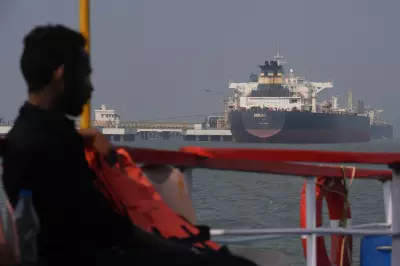
The recent flare-up in the Middle East, involving Iranian-backed militias and retaliatory strikes by Israeli and American forces, has led to tanker disruptions and facility shutdowns, directly impacting global energy supplies. This has resulted in a sharp increase in crude oil and fuel prices worldwide, exacerbating concerns over energy security and economic stability. Nuttall emphasizes that such geopolitical risks highlight the fragility of traditional oil-producing regions, making alternative sources like Canada increasingly attractive.
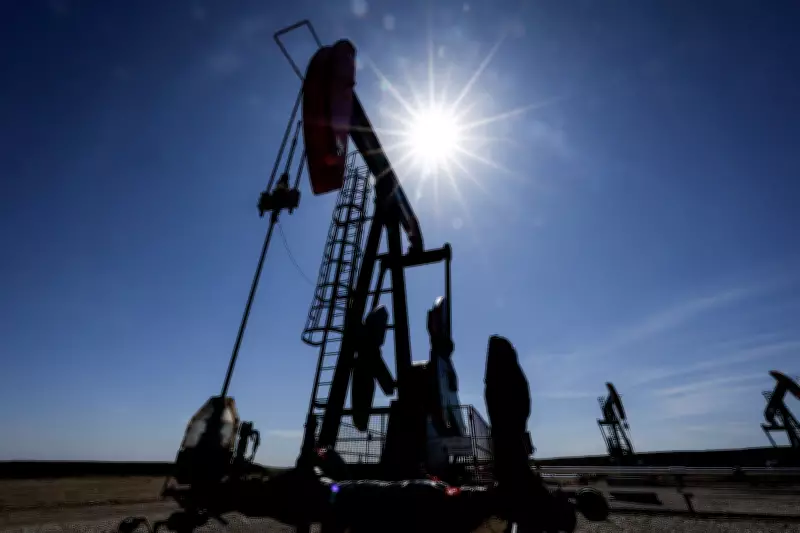
Canada boasts the third-largest oil reserves globally and ranks as the world's fourth-largest oil producer, with significant operations centered in Alberta, including near Calgary. This robust infrastructure, combined with a politically stable environment, positions Canada as a dependable player in the energy sector, less susceptible to the conflicts that plague other oil-rich nations.

Eric Nuttall's Analysis on Investment Safety
In his assessment, Nuttall argues that investors should consider reallocating resources toward Canadian oil assets to mitigate risks associated with Middle Eastern instability. He notes that while operations in Iran and surrounding areas face prolonged uncertainties—with some estimates suggesting disruptions could last four to five weeks or longer—Canada's oil industry offers a more predictable and secure outlook. This perspective is particularly relevant as global demand for energy remains high, and supply chain vulnerabilities become more apparent.
The ongoing conflict has widened to include various factions, further complicating oil extraction and transportation in the region. In contrast, Canada's regulatory framework and technological advancements in extraction, such as those seen in pumpjack operations, ensure consistent output and lower geopolitical risk. Nuttall's comments come at a time when energy prices are surging, prompting a reevaluation of global oil strategies.
Broader Implications for Energy Markets
The situation underscores a broader trend where nations are seeking to diversify their energy sources to reduce dependence on volatile regions. Canada's role as a safe haven could lead to increased investment in its oil sector, potentially boosting economic growth and job creation domestically. However, this also raises questions about environmental impacts and the transition to renewable energy, as the world grapples with climate change concerns alongside energy security needs.
As the Middle East conflict continues to evolve, with live updates indicating potential escalations, the global oil market remains on edge. Nuttall's advocacy for Canada as a safer bet reflects a growing consensus among analysts that stability and reliability are paramount in today's unpredictable geopolitical landscape. This shift could reshape investment patterns and reinforce Canada's position as a key player in the global energy arena for years to come.