Canada's annual inflation rate rose to 2.8% in April 2026, up from 2.4% in March, as ongoing geopolitical tensions in Iran continued to drive energy prices higher, Statistics Canada reported Tuesday. This marks the highest inflation level since May 2024, when headline inflation stood at 2.9%.
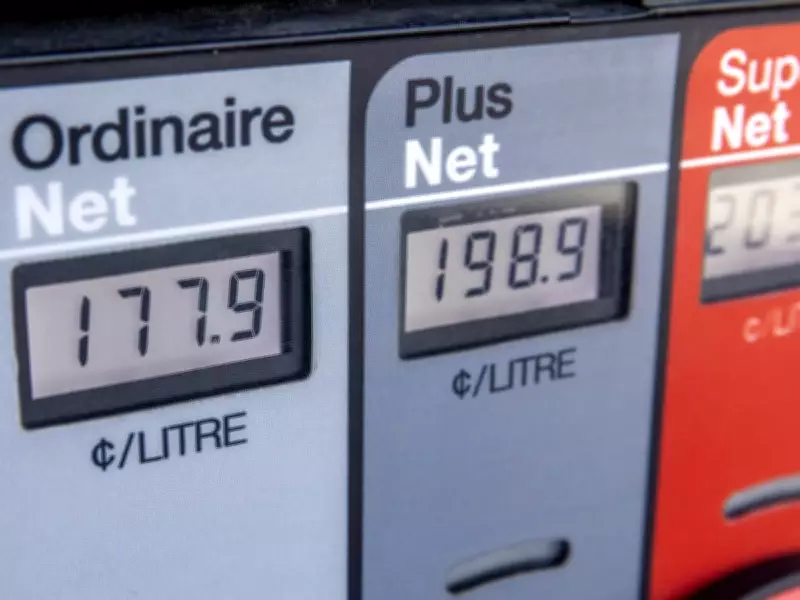
The increase was primarily fueled by a sharp rise in gasoline prices, with regular gasoline selling at $1.779 per litre in some parts of the country. The transportation sector saw a 7.6% year-over-year increase in costs, reflecting higher fuel expenses that permeated the broader economy.
Despite the acceleration, April's inflation rate came in slightly below the Bank of Canada's projection of 3% for the month. In its latest Monetary Policy Report, the central bank had anticipated inflation peaking at 3% in April before gradually declining back to the 2% target by early 2027.

Food and Other Categories
Food prices purchased from stores rose 3.8% year-over-year in April, easing from 4.4% in March. Statistics Canada officials noted that prices for meat and fresh vegetables decelerated slightly, while coffee and confectioneries saw faster price increases.
Clothing and footwear prices increased 2% annually, led by higher costs for women's clothing. Shelter costs rose 1.8% during the same period.
Regional Variations
British Columbia was the only province where consumer prices did not accelerate month-over-month, holding steady at 2.5% in April, unchanged from March.