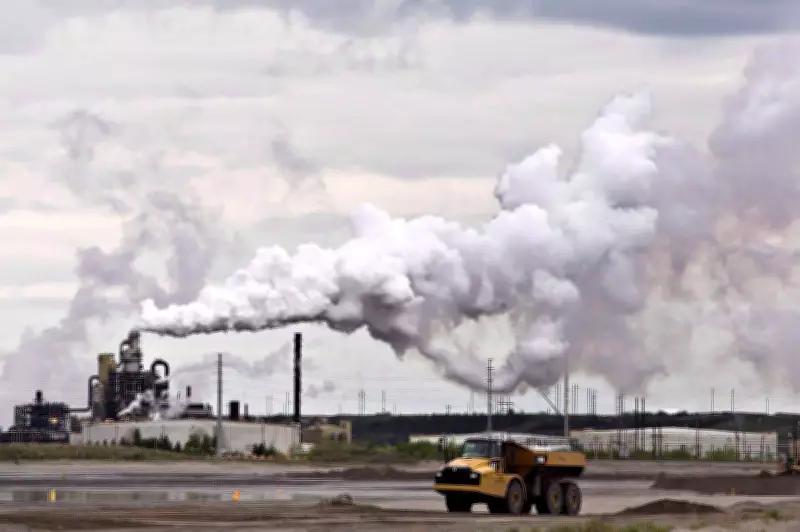
The Canadian government has formally confirmed its reversal of the enhanced oil recovery tax credit in the spring economic update, marking a significant policy shift. The decision, which had been anticipated following earlier signals, was officially embedded in the fiscal document released today.
Policy Reversal Details
According to the update, the enhanced oil recovery tax credit, which previously incentivized certain oil extraction methods, will now be phased out. This move aligns with the government's broader climate commitments but has drawn sharp reactions from the energy sector. The credit had been a cornerstone for many oil sands operators seeking to improve extraction efficiency.
Industry representatives argue that the reversal could hinder investment in cleaner extraction technologies. "This sends a mixed message," said a spokesperson for the Canadian Association of Petroleum Producers. "While we support environmental goals, removing this credit may slow progress on reducing emissions per barrel."

Environmental and Economic Implications
Environmental groups, however, welcomed the change. "Ending subsidies for fossil fuel extraction is a necessary step toward a sustainable future," said a representative from Environmental Defence. The updated budget also projects a federal deficit of $65.3 billion, with new spending on skilled training and green initiatives.
The enhanced oil recovery tax credit had been introduced years ago to encourage innovation in oil extraction, but critics argued it disproportionately benefited large corporations. The spring economic update also includes measures to support clean technology and workforce transition programs.
- Deficit projection: $65.3 billion for the current fiscal year.
- New initiatives: Skilled training strategy and clean tech investments.
- Reaction: Mixed responses from industry and environmental stakeholders.
The policy shift comes amid ongoing debates about Canada's energy future, balancing economic growth with environmental responsibilities. The government emphasized that the change is part of a broader strategy to achieve net-zero emissions by 2050.