B.C. Gas Prices Surge as Iran Conflict Disrupts Global Oil Supply
British Columbia residents should brace for extended periods of elevated fuel costs, with gasoline prices potentially surpassing $2 per litre in the coming weeks. This alarming forecast stems from the ongoing U.S.-Israeli military engagement in Iran, which is severely disrupting worldwide crude oil supplies.
Expert Warns of Prolonged Price Hikes
Werner Antweiler, an energy specialist from the University of British Columbia's Sauder School of Business, cautioned that consumers face "weeks, if not months" of significant price increases at gas stations. The conflict has created a critical bottleneck in oil shipments passing through the strategically vital Strait of Hormuz, causing ripple effects throughout the global supply chain.
"The cost is pushed down the supply chain very, very quickly," Antweiler explained. "Inventory at the local level is quite small. These tanks are replenished every few days."

Rapid Oil Price Escalation
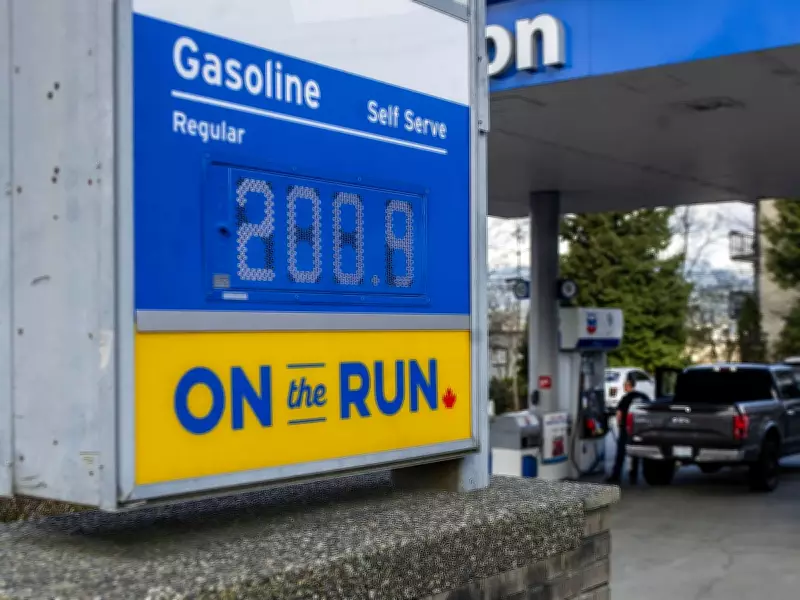
In just the past week, crude oil prices have skyrocketed from approximately $70 per barrel to around $100. This dramatic increase is only beginning to manifest at British Columbia pumps, where prices in Metro Vancouver recently ranged between $1.80 and $1.90 per litre.
Antweiler highlighted a direct correlation: each dollar increase in barrel prices translates to roughly a 1.4-cent per litre rise in British Columbia. Should the conflict persist beyond initial predictions, with barrel prices potentially climbing to $120 or higher, consumers could witness price jumps of 40 cents or more per litre.
Historical Context and Market Dynamics
The current situation mirrors the 2022 oil crisis triggered by Russia's invasion of Ukraine, which drove British Columbia gasoline prices above $2 per litre. Antweiler emphasized that today's market operates with similar vulnerability.
"It's a world market that is completely integrated," he stated. "Whatever happens worldwide happens locally." Since Canada neither produces sufficient domestic oil nor subsidizes local supply, consumers remain entirely dependent on volatile international markets.
Components of British Columbia Fuel Pricing
Four primary factors determine British Columbia's fuel costs:
- Crude oil prices – The most volatile component
- Refining expenses
- Retail margins
- Taxation
While refining costs and retail margins fluctuate moderately, taxation has actually decreased since British Columbia eliminated its consumer carbon tax on fuel last year. This reduction contributed to 2025's relatively lower prices, which frequently dipped below $1.50 per litre amid stable supplies.
Electric Vehicle Advantage
Antweiler, who drives a plug-in hybrid Volvo that operates predominantly on electricity, noted that transitioning to electric-assisted vehicles presents a financially prudent alternative for regular drivers. Unlike gasoline, British Columbia's clean electricity costs demonstrate significantly less volatility and offer more predictable long-term pricing.
The energy expert's personal vehicle, purchased in August, has yet to consume its initial tank of gasoline, illustrating the potential savings available through electrified transportation options during periods of fuel price instability.