In a significant shift for global energy markets, Australia is now shipping liquefied natural gas (LNG) over an extraordinary distance of approximately 25,750 kilometers to eastern Canada. This move comes as demand for the super-chilled fuel in Australia's traditional key markets across Asia continues to falter, prompting exporters to seek alternative buyers in distant regions.
Unprecedented Journey to Eastern Canada
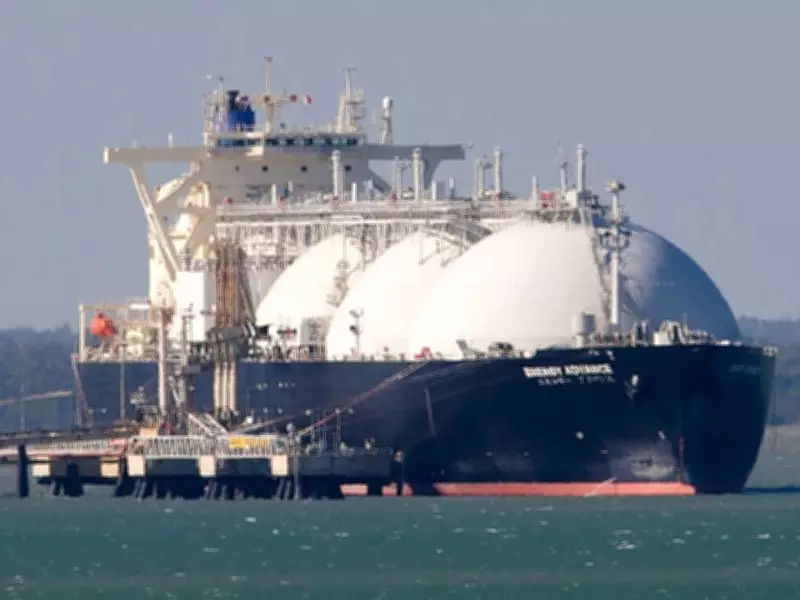
According to comprehensive ship-tracking data compiled by Kpler, which maintains records dating back to 2008, the Maran Gas Hector tanker is scheduled to deliver the first Australian LNG shipment to eastern Canada on Thursday. This represents an unusually long maritime journey that underscores the changing dynamics of global LNG trade patterns.
Diversifying Beyond Traditional Markets
The shipment to Canada is part of a broader strategy by Australian LNG exporters to look beyond their established markets in China, Japan, and other Asian nations. With uncontracted LNG volumes available, Australia has been actively seeking new destinations for its energy exports.

This diversification effort has already seen Australian LNG cargoes reaching unexpected destinations. Over the weekend, a shipment arrived in Turkey—marking the first such delivery since at least 2017, according to data compiled by Bloomberg. Another Australian cargo was directed to Chile earlier this year, further demonstrating the expanding geographical reach of Australia's LNG exports.
Asian Demand Weakness Drives Strategic Shift
The pivot toward distant markets like Canada comes against a backdrop of weakening demand across Asia. LNG shipments to China—the world's largest importer of the gas—declined by 11 percent in 2025, creating significant pressure on Australian exporters who have traditionally relied heavily on Asian markets.
The situation has been compounded by Chinese buyers reselling cargoes they had previously contracted, adding to already subdued spot demand from other major Asian importers including Japan, South Korea, and Taiwan. This combination of factors has created an oversupply situation that Australian exporters are now addressing through geographical diversification.
European Market Presents Alternative Opportunities
While Asian demand remains weak, European markets have presented more attractive opportunities for LNG suppliers. Europe, which competes directly with Asia for LNG supply, saw imports reach a 10-month high in January during an unusually cold winter period.
This European demand strength, combined with Asian weakness, has created a market environment where Australian exporters are increasingly willing to undertake longer, more expensive shipping routes to reach buyers in alternative regions. The shipment to eastern Canada represents perhaps the most dramatic example of this new reality in global energy trading.
The strategic redirection of Australian LNG toward markets like Canada and Europe reflects broader shifts in global energy consumption patterns and trade relationships. As traditional markets contract, exporters are demonstrating remarkable flexibility in finding new destinations for their products, even when this requires navigating some of the world's longest shipping routes.