Alberta's Delicate Balancing Act in China Energy Trade
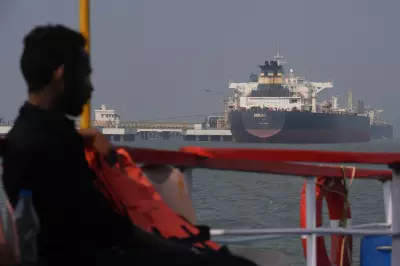
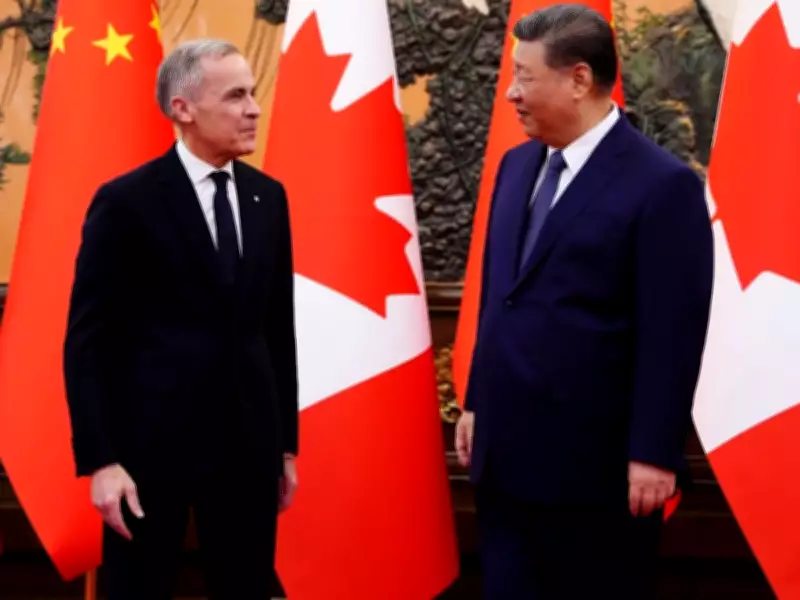
Alberta Premier Danielle Smith may be optimistic about the potential benefits of a new memorandum of understanding (MOU) between Prime Minister Mark Carney and Chinese President Xi Jinping, but experts urge a cautious approach. The agreement, signed during Carney's visit to Beijing in January 2026, aims to boost Chinese purchases of Canadian oil, natural gas, and renewable energy while facilitating Chinese investment in Canada's energy sector. However, this move raises significant concerns about the risks associated with deepening ties with China.
Understanding the MOU and Its Implications
The MOU does not legally bind China to increase energy imports or Canada to welcome investments from state-owned entities like the Chinese National Overseas Oil Corporation (CNOOC). Instead, it establishes a "ministerial dialogue" to explore future agreements. This non-committal nature means that while China's growing energy needs might drive purchases, Alberta must carefully evaluate the long-term consequences of opening its doors to Chinese capital.
Premier Smith's enthusiasm for attracting investors to build a pipeline to the West Coast is understandable, given the economic opportunities. However, the potential dangers cannot be ignored. Chinese state-owned companies are known for impulsive actions, such as asset seizures and nationalizations, mirroring unpredictable behaviors seen in other global leaders.

Risks of Chinese Investment and Labor Practices
One major concern is China's use of forced labor, particularly among ethnic minorities like the Uyghurs, Kazakhs, Kyrgyz, and Tibetans. If Canada engages in joint green energy projects with China, there is a risk that contributions could stem from enslaved workers, undermining ethical standards and Canada's reputation. This issue adds a moral dimension to the economic considerations, making it imperative for Alberta to prioritize human rights in any trade dealings.
Historical context further complicates matters. In 2012, the Harper government approved the sale of Nexxen Resources to CNOOC but subsequently restricted future sales to foreign state-owned entities. This precedent highlights the need for vigilance to prevent over-reliance on Chinese investment, which could compromise national security and economic sovereignty.
Broader Trade Dynamics and Strategic Alternatives
Carney's pursuit of alternative buyers for Canadian commodities is a strategic response to the unreliability of the United States under President Donald Trump. Trump's erratic trade policies have harmed the Canadian economy, making diversification essential. However, replacing one unpredictable partner with another, especially one with a track record of human rights abuses and state control, may not be the optimal solution.
Alberta must balance the desire for economic growth with the need to protect its interests. This involves:
- Conducting thorough risk assessments of Chinese investments.
- Advocating for transparent labor practices in joint ventures.
- Exploring other international markets to reduce dependency on any single country.
By treading carefully, Alberta can harness the benefits of global trade while mitigating the dangers posed by partnerships with authoritarian regimes. The province's leadership must ensure that short-term gains do not lead to long-term vulnerabilities, safeguarding both economic stability and ethical standards in the energy sector.