Manitoba politicians are trading barbs following the release of new Statistics Canada figures that show a significant uptick in inflation. The data, published on May 19, 2026, has intensified the ongoing debate over the province's economic management.
Finance Minister Defends Budget
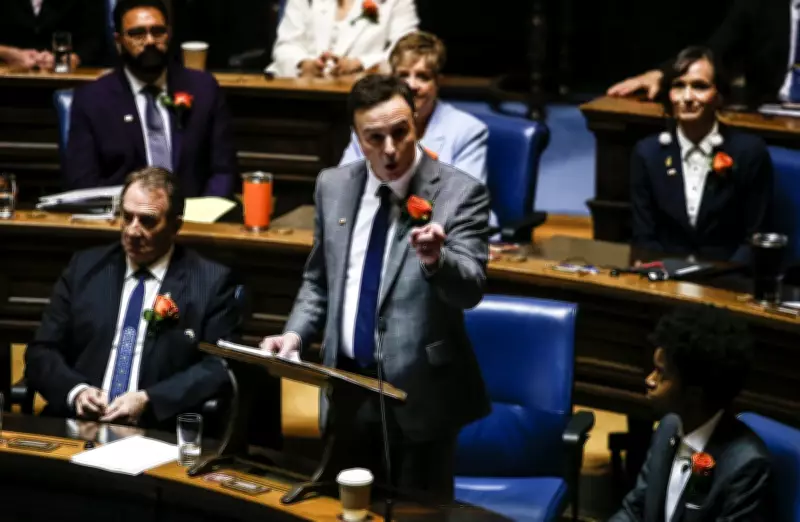
Finance Minister Adrien Sala, who presented the provincial budget in March 2025, defended his government's fiscal approach. He argued that the inflation spike is a national issue driven by global factors, not local policies. Sala emphasized that the budget includes measures to support families and businesses, such as tax credits and infrastructure investments.
Opposition Criticizes Government
Opposition leaders were quick to blame the ruling party for the rising cost of living. They pointed to increased government spending and regulatory burdens as key contributors. One opposition MLA stated, “Manitobans are feeling the pinch at the grocery store and the pump. This government’s policies are making it worse.”

Impact on Residents
The inflation jump affects everything from food prices to housing costs. Residents are expressing frustration, with many calling for immediate relief. Local businesses are also concerned about reduced consumer spending and higher operational expenses.
Broader Economic Context
Nationally, Canada has been grappling with inflationary pressures, but Manitoba’s rate now exceeds the national average. Economists suggest that supply chain disruptions and energy price volatility are key drivers. They caution that the province may need targeted interventions to avoid prolonged economic strain.
The political sparring is expected to continue as both sides prepare for the next provincial election. Meanwhile, Statistics Canada will release further data next month, which could either ease tensions or fuel more debate.