

Motorists across the United States are receiving a welcome financial gift this holiday season: lower prices at the gasoline pump. The cost of filling up has seen a noticeable decline, providing relief for families and individuals planning road trips and visits during the festive period.
A Seasonal Dip at the Pump
The trend of decreasing fuel costs offers a contrast to the often-high expenses associated with year-end travel. While the original report did not specify exact national averages or percentage drops, the timing aligns with the peak travel period around Christmas and New Year's. The development was highlighted in a report published on December 23, 2025, providing timely information for last-minute travelers.
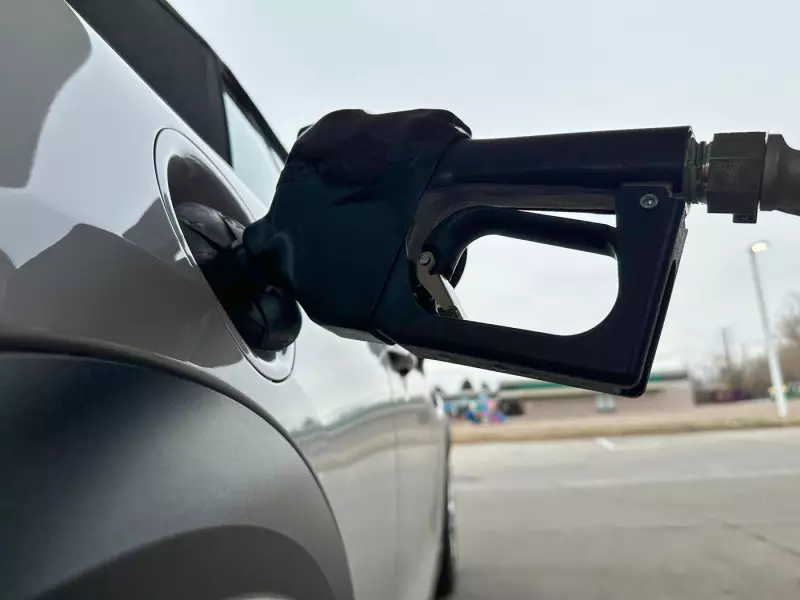
The accompanying file photograph, credited to AP Photo/David Zalubowski, visually underscores the story. It shows a driver refueling a vehicle at a station in Littleton, Colorado, on Sunday, November 30, 2025. This image grounds the broader economic news in a relatable, everyday activity for millions of Americans.

Context and Contributing Factors
Although the initial bulletin does not delve into the specific causes for the price decline, such trends are typically influenced by a combination of global and domestic factors. These can include fluctuations in global crude oil prices, seasonal adjustments in fuel blends, regional supply levels, and changes in demand patterns. The decrease arrives as many households are finalizing their holiday travel budgets, potentially freeing up funds for other seasonal spending.
The relief at the pump is a significant piece of consumer news, directly impacting disposable income. For U.S. drivers, this means the cost of visiting family or embarking on a holiday getaway is less burdensome than it might have been just weeks or months prior.
Broader Economic Implications
Lower gas prices often have a ripple effect on the economy. Reduced transportation costs can help moderate the price of goods being shipped across the country, offering a form of indirect inflation relief. For the individual consumer, the savings on each tank of fuel can add up, especially for those undertaking long-distance travel common during the holiday season.
This news serves as a positive indicator amid other economic headlines. It provides a tangible example of how broader market shifts can translate into direct, everyday benefits for the public. As travelers hit the roads for Christmas and New Year's celebrations, the lower costs offer one less financial worry during an expensive time of year.
While the report stands alone, it connects to the larger narrative of energy markets and consumer affairs that Canadians, who share an integrated economic and travel landscape with the U.S., often monitor closely.






