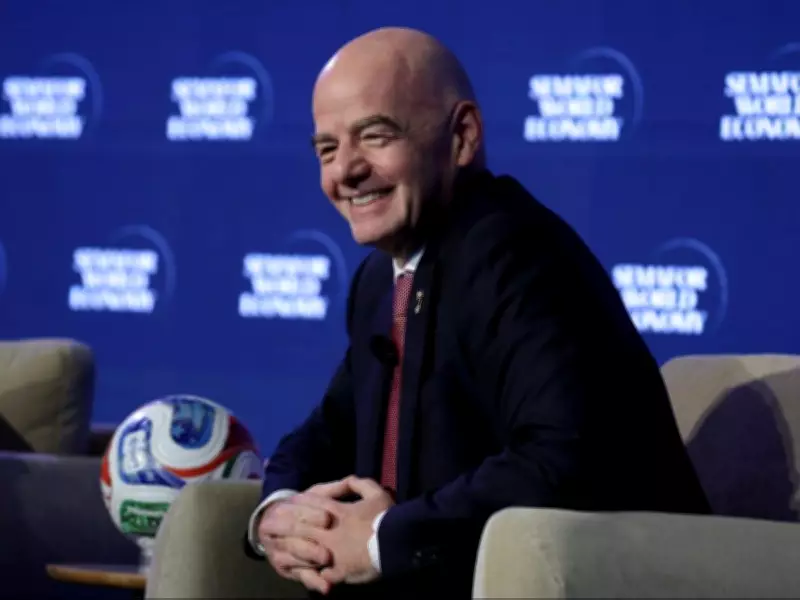
A report by the Parliamentary Budget Officer (PBO) has revealed that the costs of co-hosting the FIFA Men's World Cup have soared to over $1 billion, with Canadian taxpayers bearing a significant portion. The federal government is contributing $473 million, while provincial and municipal governments cover the remainder, amounting to a staggering $82 million per game.
Taxpayer Burden
The Canadian Taxpayers Federation has strongly criticized the spending. "The federal government and provincial governments are spending $82 million per game when they can't even cover the expenses in their own budgets," said Noah Jarvis, CTF Ontario Director. "It's a bad idea to shell out a billion dollars for a few World Cup games when our governments are in deep debt and everyday taxpayers are struggling with rising prices."
Provincial Costs
In British Columbia, taxpayers are paying at least $578 million to host seven games, far exceeding the initial government estimate of $240-$260 million. Toronto taxpayers are contributing $380 million for six games, a dramatic increase from the 2018 estimate of $30-$40 million. The Ontario government will add $97 million.

Public Opposition
A recent Leger poll indicates that half of Ontarians and British Columbians oppose the massive expenditure. Critics argue that the federal government should not fund nearly half the cost when only two provinces benefit directly.
FIFA's Demands
Organizations like FIFA, the International Olympic Committee, and the Bureau International des Expositions are often criticized for lacking transparency in fund allocation. For instance, FIFA President Gianni Infantino's entourage initially requested a police motorcade in Vancouver, which was denied by local authorities.
Economic Benefits Questioned
Supporters claim the World Cup will boost the economy by showcasing Canada globally. However, with only a few games held in the country, skeptics doubt the promised benefits. "Soccer isn't Canada's game," the editorial notes. "If these were hockey or baseball events, there might be some excitement. With a price tag of $82 million per game, all we're feeling is a giant kick in our wallets."
The editorial concludes by questioning the wisdom of such spending when governments face significant debt and citizens struggle with high living costs.