

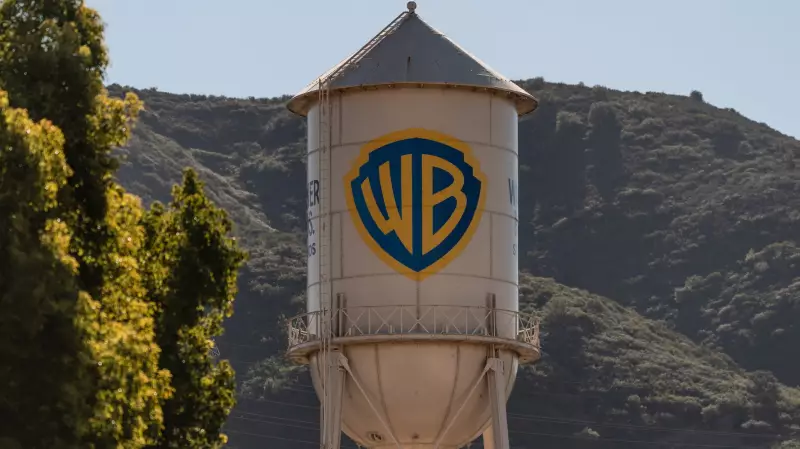
In a decisive move that shapes the future of Hollywood, the board of Warner Bros Discovery has unanimously rejected the latest acquisition attempt from Paramount Skydance. The board declared the revised $108.4 billion hostile bid a risky leveraged buyout that shareholders should oppose, reaffirming its commitment to a competing offer from streaming titan Netflix.
A Boardroom Battle Over Billions
In a letter to shareholders released on Wednesday, January 7, Warner Bros' board detailed its rejection of Paramount's $30-per-share cash offer. The central concern was the financing structure. The board argued the offer hinges on "an extraordinary amount of debt financing" that significantly increases the risk the deal would fail to close. Paramount's plan, which involves $54 billion in debt and $40 billion in equity personally guaranteed by Oracle billionaire Larry Ellison, would leave the combined entity with a staggering $87 billion in debt.
This, the board stated, would constitute the largest leveraged buyout in history and further weaken Paramount's credit rating, which S&P Global already rates at junk levels. In contrast, the board highlighted the $82.7 billion deal with Netflix, valued at $27.75 per share in cash and stock, as having a clearer financing path and lower risk, backed by Netflix's $400 billion market value and investment-grade credit.

High Costs and Sticking Points
The decision follows Paramount's amended bid on December 22, which added Ellison's personal guarantee and a higher reverse termination fee of $5.8 billion. However, after meeting on December 23, Warner Bros' board found the offer remained inadequate. The board outlined significant costs associated with abandoning the Netflix agreement, totaling approximately $4.7 billion, or $1.79 per share.
This includes a $2.8 billion termination fee to Netflix, $1.5 billion in lender fees, and about $350 million in additional financing costs. Furthermore, the board repeated concerns that Paramount would impose operating restrictions harmful to Warner Bros' business, including blocking the planned spin-out of its cable networks into a separate public company, Discovery Global.
The valuation of this spin-off, which includes assets like CNN, TNT Sports, and Discovery+, is a major point of contention. While analysts value the cable channels at up to $4 per share, Paramount has suggested just $1.
Reshaping the Media Landscape
The fierce competition for Warner Bros underscores the intense pressure on traditional studios to scale up in the era of streaming dominance and volatile box office returns. While Paramount has argued its bid would face fewer regulatory hurdles, a combined Paramount-Warner Bros would create a formidable competitor to Disney, merging two major television operators and streaming services.
Analysts note that Netflix's offer, despite a lower headline value, presents fewer execution risks than Paramount's bid for the entire company, including its cable TV business. The battle has drawn attention from U.S. lawmakers concerned about media consolidation, with President Donald Trump stating he plans to weigh in on the landmark acquisition.
With Warner Bros shares closing at $28.47 on Tuesday, the board's rejection firmly sets the studio on a path to finalize its deal with Netflix, leaving Paramount's historic hostile bid on the cutting room floor.






