Iran's Supreme Leader Confirmed Dead Following Coordinated Military Strike
In a development that has sent shockwaves across the Middle East and global political landscape, Iranian state media has officially confirmed the death of Supreme Leader Ayatollah Ali Khamenei. The announcement follows what has been described as a major joint military operation conducted by United States and Israeli forces against Iranian targets.
Details of the Attack and Immediate Aftermath
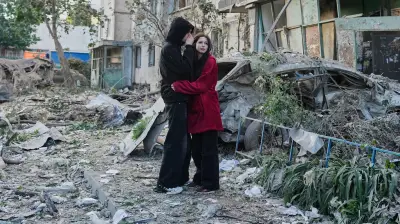
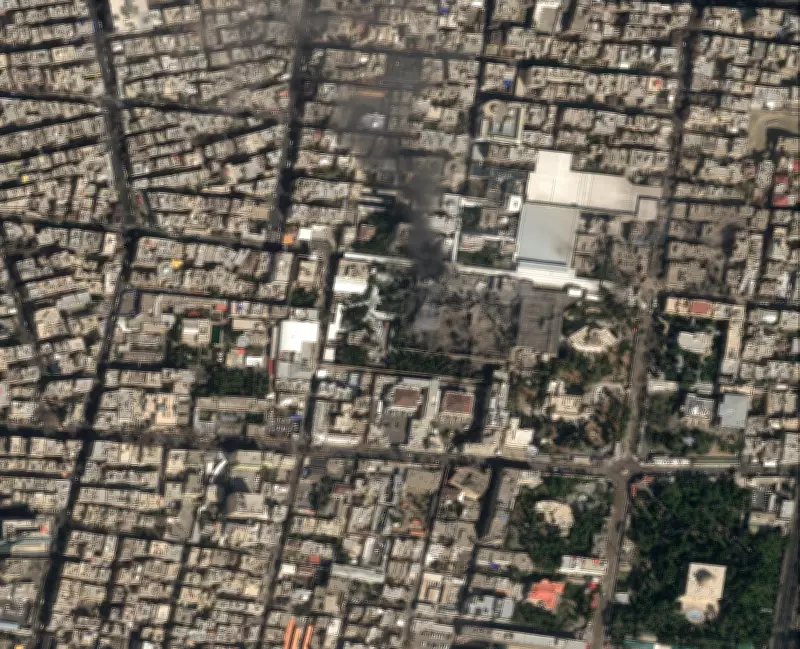
The coordinated strike, which occurred on February 28, 2026, represents a significant escalation in longstanding tensions between Iran and Western allies. Former U.S. President Donald Trump publicly announced the operation, characterizing it as "major combat operations in Iran" and stating that "Iran is the principal source of instability and terror throughout the Middle East."
Military analysts have noted the unprecedented nature of this attack. David Fraser, a defense expert, commented that "it's a vast difference in the targeting than in the past," suggesting a more direct and consequential approach than previous engagements in the region. The operation has been described by some observers as "a war of choice" rather than a defensive action.

International Reactions and Regional Implications
The killing of Iran's supreme leader, who held the highest authority in the country's political and religious hierarchy, has triggered immediate reactions across the international community. Prime Minister Carney has expressed explicit support for the military action, with political commentator Reid noting this represents "a pretty explicit expression of support" from Canadian leadership.
Meanwhile, military officials indicate that Canada will maintain a limited role in the ensuing Middle East conflict, according to statements from a retired general familiar with defense planning. The geopolitical ramifications are expected to be profound, with oil markets already anticipating significant volatility as analysts predict supply uncertainties following the strikes.
Domestic Response Within Iran and Diaspora Reactions
Within Iran, the loss of the supreme leader creates a power vacuum at the highest levels of the Islamic Republic's leadership structure. The country now faces unprecedented political uncertainty as it navigates this transition during a period of military confrontation.
Iranian communities across North America have taken to the streets in both protest and support of the military action. In Winnipeg, members of the Iranian diaspora expressed complex emotions, with one community member stating, "We've been waiting for this for a long time," reflecting divided perspectives on the regime change implications.
Legal and Ethical Questions Surrounding the Operation
International law experts are actively debating the legality of the strikes, with many questioning whether the action constitutes a legitimate use of force under international law. The targeted killing of a head of state raises significant legal and ethical questions that are likely to be debated in international forums for months to come.
The situation continues to develop rapidly, with regional stability hanging in the balance as Iran determines its response to what represents one of the most significant geopolitical events in recent Middle Eastern history.