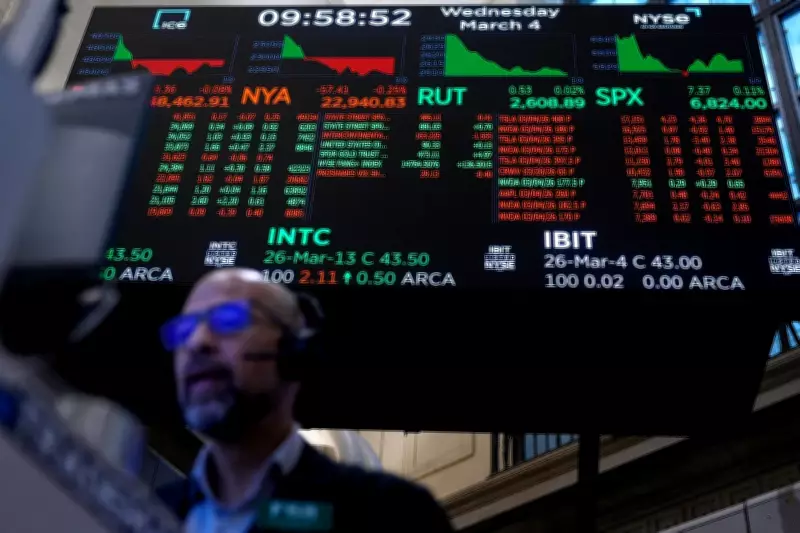
Global financial markets experienced a turbulent session as shares traded in a mixed pattern, influenced by a significant climb in oil prices and fresh geopolitical tensions stemming from new military attacks launched by Iran. This combination of factors has injected a high degree of uncertainty into investor sentiment, affecting various sectors and regions differently.
Oil Prices Surge Amidst Geopolitical Unrest
The price of crude oil saw a sharp increase, driven by concerns over supply disruptions and heightened geopolitical risks in the Middle East. This surge is particularly impactful given the already fragile state of global energy markets, which have been grappling with fluctuating demand and production challenges. Analysts note that the rising oil prices could lead to inflationary pressures, potentially affecting consumer spending and corporate profits across multiple industries.
Iran's Military Actions Add to Market Volatility
In a move that has escalated tensions, Iran launched new attacks, further destabilizing the region and contributing to the volatility in financial markets. These developments have raised alarms among investors about the potential for broader conflicts that could disrupt trade routes and energy supplies. The uncertainty surrounding Iran's actions has prompted a flight to safety in some asset classes, while others face sell-offs due to risk aversion.

Mixed Performance Across Global Exchanges
Stock exchanges around the world reflected this complex environment with mixed results. Some indices managed to post gains, supported by strong performances in defensive sectors such as utilities and consumer staples. However, other markets, particularly those more exposed to energy costs and geopolitical risks, experienced declines. Technology and transportation stocks were among the hardest hit, as higher oil prices threaten to increase operational expenses and squeeze margins.
Investor Sentiment and Economic Implications
The current market dynamics underscore the delicate balance between economic growth and geopolitical stability. Investors are closely monitoring central bank responses, as policymakers may need to adjust interest rates to combat inflation spurred by rising energy costs. Additionally, the situation highlights the interconnectedness of global markets, where events in one region can swiftly reverberate across continents, affecting everything from currency values to commodity prices.
Looking ahead, market participants are bracing for further developments, with many advising caution until there is more clarity on the geopolitical front and oil price trends. The coming days will be critical in determining whether this volatility is a temporary blip or the start of a more prolonged period of market stress.