

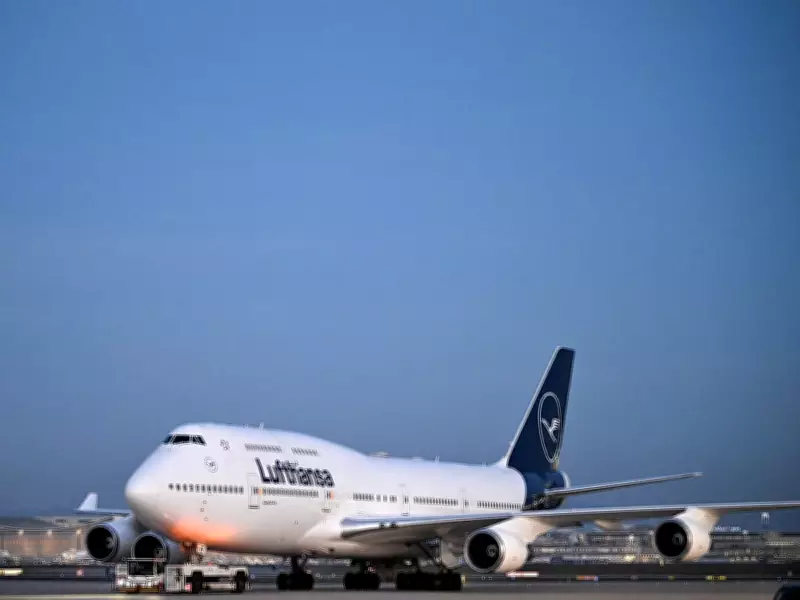
Deutsche Lufthansa AG, Germany's flagship carrier, was forced to cancel almost 800 flights on Thursday as pilots and cabin crew staged a one-day strike in response to stalled contract negotiations. The walkouts, which began at 12:01 a.m. local time and were scheduled to last until 11:59 p.m., grounded both commercial and cargo flights, severely disrupting travel plans for approximately 100,000 passengers.
Impact on Passengers and Operations
The German airline described the strikes as hitting customers "extremely hard," with the cancellations affecting a significant portion of its operations. However, Lufthansa expects to resume a fairly normal flight schedule starting Friday, aiming to minimize further disruptions. In Munich, about a third of the roughly 920 scheduled takeoffs and landings were canceled, according to a spokesperson. Meanwhile, in Frankfurt, home to one of Europe's busiest airports, operations remained calm and stable, though details on cancellations were not disclosed.
Efforts to Mitigate Disruptions
To limit the impact on travelers, Lufthansa is rebooking passengers on other airlines within its group, including Eurowings, Lufthansa City Airlines, and Discover Airlines, which have about 400 flights scheduled. Additionally, travelers have the option to exchange tickets for travel with Deutsche Bahn, Germany's national railway company. This strike marks the first major pilots' walkout since 2022, highlighting ongoing labor tensions in the aviation sector.

Financial and Strategic Implications
Morgan Stanley analysts, including Axel Stasse, estimated that more than 140,000 seats could ultimately be affected by the strike, with a potential revenue impact of about US$32 million. The strikes follow failed negotiations between Lufthansa and the pilot union Vereinigung Cockpit over retirement pension funding, as well as unsuccessful talks with the UFO union for cabin crews regarding a new working agreement.
Broader Challenges for Lufthansa
Europe's largest aviation group faces mounting pressure to boost profitability in a competitive market. Challenges include aircraft delivery delays, high taxes and fees, and the troubled rollout of its premium Allegris cabin. In response, Chief Executive Officer Carsten Spohr has implemented a strategy to bundle hub airlines and cut 4,000 administrative jobs. Notably, Lufthansa's flagship carrier struggles with significantly higher crew costs compared to newer units like City Airlines and Discover, where costs are up to 40 percent lower, prompting a shift of short-haul fleets away from the main airline.
Labor Relations and Future Outlook
Michael Niggemann, director of labor relations for the Lufthansa Group, emphasized the need for constructive dialogue, stating, "We need constructive dialogue, not escalation." The company has expressed readiness to continue talks with labor unions "at any time." The strike's timing is particularly sensitive, occurring just one day before world leaders are set to fly in for the Munich Security Conference, underscoring the broader implications of labor disputes in critical industries.






