Bombardier Anticipates Swift Canadian Approval for Gulfstream Jets Following Trump Tariff Threat
The chief executive of Bombardier Inc., Eric Martel, has expressed confidence that Canada's aviation regulator will soon grant certification for Gulfstream business jets, a move that would defuse a tense international dispute sparked by former U.S. President Donald Trump. Martel stated during an analyst call that he expects the situation to be resolved imminently, allowing normal business operations to resume.
Trump's Tariff Ultimatum and the Certification Standoff
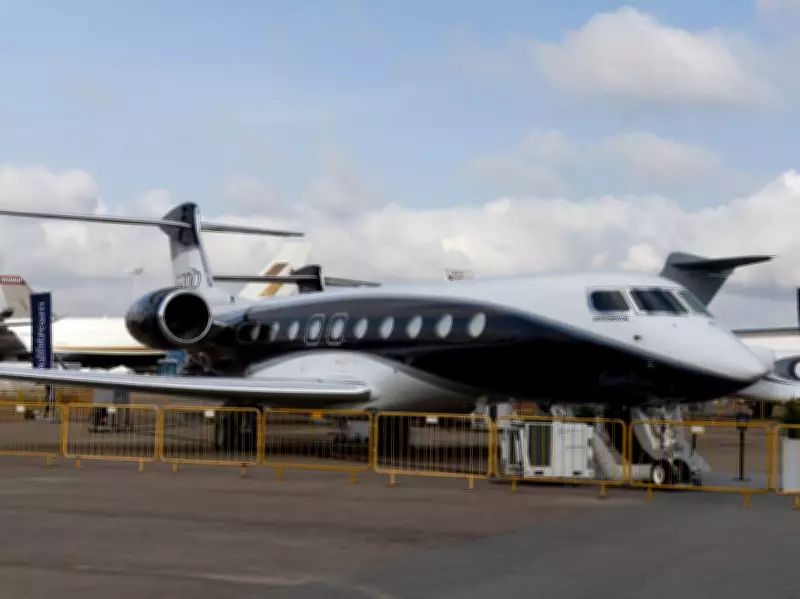
On January 29, 2026, Donald Trump publicly accused Canada of "wrongfully, illegally" refusing to certify certain Gulfstream aircraft models, which are manufactured by General Dynamics Corp. Trump issued a stark warning: unless Canada rectified the issue, the United States would decertify all aircraft made in Canada and impose a hefty 50 percent tariff on Canadian-made aircraft. This threat directly targeted Bombardier, a Montreal-based private jet manufacturer that relies heavily on the U.S. market.
Bombardier's vulnerability to such measures is significant. The company manufactures its Challenger and Global jet models in Canada but depends on thousands of U.S.-based suppliers for components. Nearly two-thirds of Bombardier's sales in 2024 originated from the United States, making any decertification or tariff a potentially devastating blow.

Regulatory Progress and Corporate Confidence
Martel reassured stakeholders, saying, "I think that the situation is going to get resolved soon, and we're going to be back to normal business between now and then. It's been a regular business. You know, we've been delivering airplanes and our airplanes are flying." He acknowledged that Bombardier executives view the Trump threat as a potential risk to the company.
Transport Canada, the nation's aviation regulator, confirmed it is actively collaborating with Gulfstream and the U.S. Federal Aviation Administration (FAA) to complete the certification process. FAA Administrator Bryan Bedford added weight to Martel's optimism earlier this week, indicating he believed Canada's approval of the Gulfstream jets was imminent.
Bombardier's Financial Resilience and Market Position
Despite the geopolitical tensions, Bombardier appears financially robust after completing a rigorous five-year turnaround plan. The company was on the verge of bankruptcy in 2020 following the costly failure of its C Series commercial aircraft program, which was later sold to Airbus and rebranded as the A220.
Recent financial results underscore Bombardier's recovery:
- Revenue grew by 10 percent to US$9.6 billion in 2025.
- The company delivered 157 aircraft, an increase of 11 from the previous year.
- Adjusted net debt to EBITDA improved to 1.9 times from 2.9 times in 2024.
- The order backlog surged by 22 percent to US$17.5 billion.
Chief Financial Officer Bart Demosky highlighted strong market fundamentals, projecting revenue exceeding $10 billion and deliveries of more than 157 aircraft for 2026. Free cash flow is anticipated to range between US$600 million and US$1 billion. Desjardins analyst Benoit Poirier noted in a client report that the 2026 guidance might be conservative, leaving room for positive surprises.
Strategic Wins and Future Outlook
In a significant commercial victory, Bombardier secured a substantial order from Vista Global Holding Ltd., one of the world's largest business jet operators. The deal involves 40 aircraft valued at approximately US$1.2 billion at list prices, with options for an additional 120 planes. Bulk purchases typically involve discounts, but the agreement reinforces Bombardier's competitive standing.
As the certification issue moves toward resolution, Bombardier remains focused on expanding its defense and services divisions to drive future growth. The company's shares showed minimal movement in Toronto trading, reflecting market anticipation of a diplomatic and regulatory solution to the Gulfstream dispute.