Airline Shares Tumble and Airfares Jump as Iran War Drives Oil Above $100
The global aviation sector is experiencing significant turbulence as escalating military tensions in the Iran conflict have propelled oil prices beyond the critical threshold of US$100 per barrel. This sharp increase in fuel costs is directly impacting airline operations, leading to a dramatic sell-off in airline stocks and a corresponding surge in airfares for consumers worldwide.
Market Reaction and Financial Strain
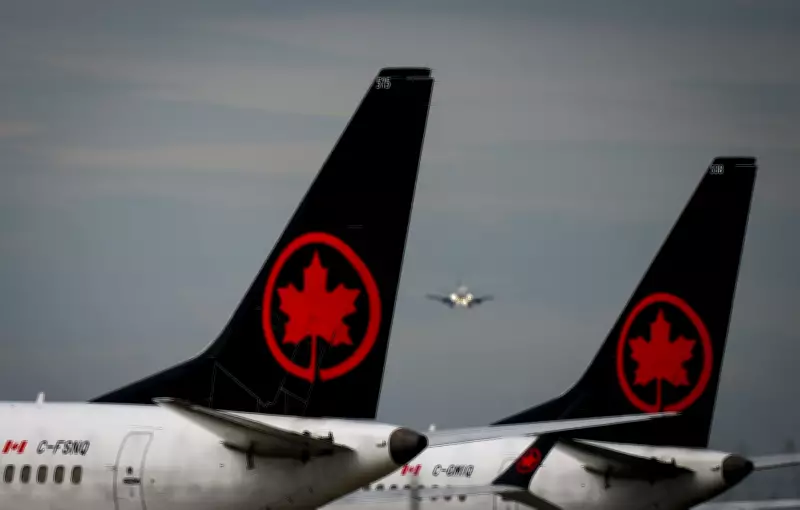
Financial markets reacted swiftly to the news, with shares of major airlines, including Air Canada, taking a substantial hit. Investors are concerned about the immediate impact of higher fuel expenses on already thin profit margins within the industry. The price of Brent crude oil spiked to nearly US$120 at one point, exacerbating fears of prolonged economic instability and inflationary pressures.
Analysts warn that the situation could worsen if the conflict persists, potentially leading to further oil price volatility and sustained financial pressure on carriers. Airlines are now faced with difficult decisions regarding cost management, which may include reducing flight frequencies, implementing additional surcharges, or delaying fleet expansion plans.

Impact on Travelers and the Broader Economy
For travelers, the consequences are already becoming apparent. Airfares have begun to rise across multiple routes as airlines pass on the increased fuel costs to passengers. This surge in travel expenses could dampen demand for both leisure and business travel, affecting tourism-dependent economies and corporate budgets.
The timing is particularly challenging, as the aviation industry was in the process of recovering from previous disruptions. The sudden spike in operational costs threatens to derail this recovery, potentially leading to reduced connectivity and higher prices for an extended period.
Industry Response and Future Outlook
Airlines are likely to employ various strategies to mitigate the impact, such as hedging fuel purchases and optimizing flight efficiency. However, the effectiveness of these measures may be limited if oil prices remain elevated. The situation underscores the aviation sector's vulnerability to geopolitical events and commodity price fluctuations.
Looking ahead, the industry's resilience will be tested as it navigates this new phase of uncertainty. Stakeholders, including governments and regulatory bodies, may need to consider supportive measures to ensure the stability of air travel infrastructure and economic continuity.