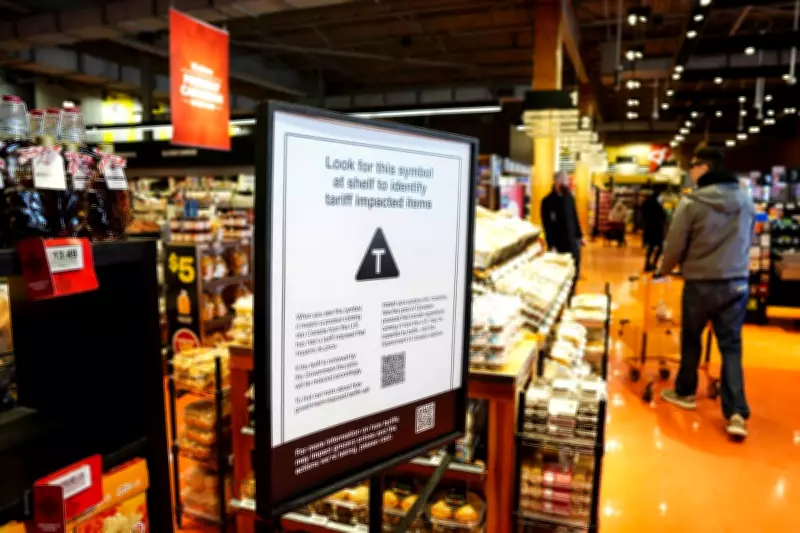
As tariff threats from former U.S. President Donald Trump prompted many Canadians to support local businesses, a new issue has surfaced: 'maple washing.' This practice involves companies falsely labeling their products as Canadian to capitalize on the patriotic buying trend.
Consumer Concerns
Consumer advocate Jay Jackson expressed worry about businesses misrepresenting their products. 'It's deceptive and undermines the trust of consumers who are trying to support Canadian-made goods,' he said. The Competition Bureau of Canada has reported an increase in complaints related to such mislabeling.
Impact on Local Economy
The buy-local movement gained momentum after Trump's tariff threats, with many Canadians deliberately choosing domestic products. However, 'maple washing' threatens this effort by misleading shoppers and potentially harming genuine Canadian manufacturers.

- Increased consumer vigilance is needed to verify product origins.
- Authorities are urged to enforce labeling laws more strictly.
- Businesses found guilty face fines and reputational damage.
Regulatory Response
The federal government is considering stricter regulations to combat 'maple washing.' A spokesperson stated, 'We are committed to ensuring that Canadian consumers can trust the labels on the products they buy.' Industry groups are also developing voluntary standards to help businesses accurately represent their products.
As the trend continues, consumers are advised to look for specific certifications, such as 'Product of Canada' or 'Made in Canada,' and to research brands before purchasing.