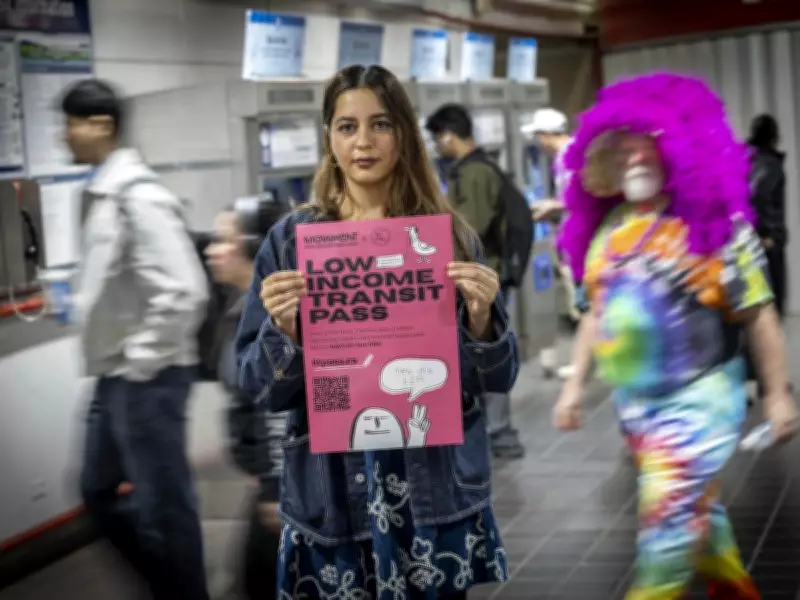
With transit fares set to increase on July 1, a Metro Vancouver advocacy group is intensifying its campaign for the province to introduce low-income transit passes, following the lead of other major Canadian cities. Movement: Metro Vancouver Transit Riders argues that the upcoming five per cent fare hike will disproportionately burden residents who can least afford it.
Advocates Highlight Financial Strain
Aman Chandi, director of programs and fundraising at Movement, emphasized the urgent need for affordable transit. “It would be a huge strain on workers, families, and low-income riders. We believe nobody should be denied transit because they can’t afford it,” she said. Chandi noted that community feedback reveals heartbreaking choices: “People are choosing between groceries and a bus ride. That should not be the case.”
Focus on Surrey
Chandi’s work primarily centers on Surrey, a city with a high proportion of newcomers, Indigenous people, and seniors who rely on public transit. She recounted an encounter with an urban Indigenous Elder in Surrey who had only $2 in her bank account and could not afford a bus ticket. “The conditions are dire,” Chandi said.

Existing Programs Fall Short
British Columbia currently offers the B.C. Bus Pass, but it is limited to low-income seniors and people receiving disability insurance. Low-income seniors pay $45 annually for the pass, while those on disability can choose between the bus pass or a $52 transportation supplement. Movement argues this program should be expanded to cover all low-income individuals.
“There are people in Surrey who have to commute to Vancouver for work. Why are we punishing them with fare increases?” Chandi asked. She also noted that some families share a single university U-Pass, risking fines, due to affordability challenges.
Comparison with Other Cities
After the fare hike, Metro Vancouver’s one-zone adult cash fare will rise from $3.35 to $3.50, while concession fares for seniors and youth will increase to $2.30. In Calgary, adult fares are $4, and youth pay $2.65. Toronto charges adults $3.35, youth $2.40, and seniors $2.30. However, both Calgary and Toronto offer discounted transit options for all low-income residents.
- Calgary’s low-income monthly pass uses a sliding scale, ranging from as low as $6.30 to $63 per month for eligible riders.
- Toronto’s low-income pass provides a 36 per cent discount on regular fares, according to the city’s website.
Chandi called Metro Vancouver’s lack of a similar inclusive system “embarrassing.” She stated, “For a region that cares about equity, we can’t even provide this support for folks who need it. We have demographic-based discounts, but we want income-based discounts.”
Other B.C. Initiatives
Elsewhere in the province, Kamloops offers a low-income transit pass for adults, while Penticton allows residents under 24 to ride for free. These examples demonstrate that income-based transit support is feasible and already in practice.
Movement: Metro Vancouver Transit Riders continues to push for change, urging the provincial government to prioritize affordability and equity in transit pricing. As the July 1 fare hike approaches, the group hopes to see meaningful progress toward a more inclusive transit system.