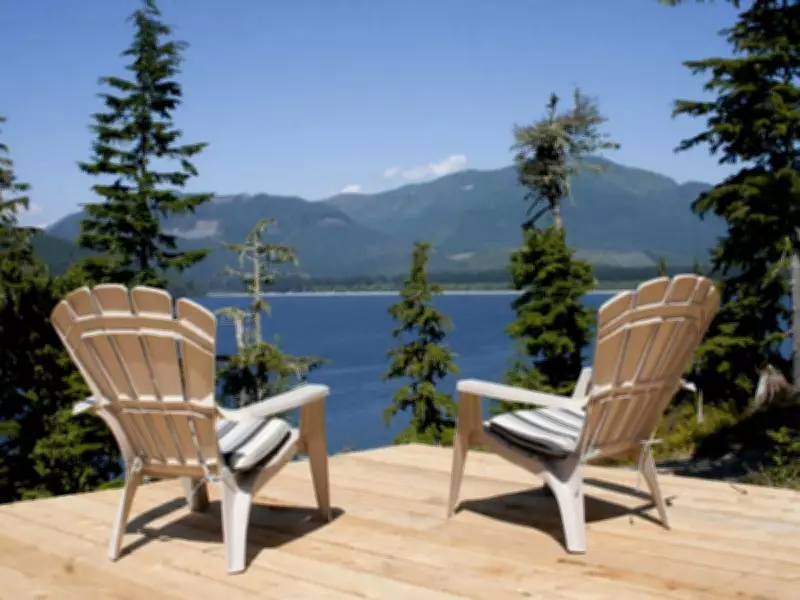
For many Canadians, the Victoria Day long weekend signals the unofficial start to cottage season. However, this year, recreational real estate is attracting a demographic of buyers looking beyond the traditional vacation property. According to two new industry reports from REMAX and Royal LePage, younger Canadians are increasingly viewing cottages as a strategic bridge into homeownership and wealth building rather than just a place to get away.
Survey highlights shift in buyer motivation
A recent REMAX survey suggests buyer motivation is evolving alongside affordability pressure in major cities. According to the survey, 45 per cent of prospective Canadian buyers planning to buy a recreational property said they view the purchase as an entry-point into the broader housing market, while 60 per cent of current recreational property owners said their property is a part of their long-term wealth strategy. The trend appeared particularly pronounced among Canadians aged 18 to 34, 54 per cent of whom said recreational property plays a role in their long-term financial planning. By comparison, only 30 per cent of those 35 and older share that view.
“What we’re seeing is a more thoughtful, strategic buyer emerge in the recreational market,” said Don Kottick, president of REMAX Canada, in a press release Tuesday. “Recreational properties are no longer viewed solely as discretionary purchases, but instead as a foothold into homeownership with long-term value potential.”

Price forecasts and regional variations
Royal LePage forecasts the median price of a single-family recreational home in Canada will rise four per cent this year to $604,552, following a 4.3 per cent increase in 2025 to $581,300. The brokerage expects prices to increase despite the broader economic uncertainty. “Concerns about the state of global affairs are certainly on the minds of many Canadians right now, including recreational property buyers, and are tempering demand in parts of the country,” said Phil Soper, president and CEO, Royal LePage. “At the same time, limited supply is supporting price gains in many markets.”
Both reports found varying market conditions across the country. Alberta and Atlantic Canada recorded some of the strongest price growth in 2025. In Alberta, the weighted median home price for a single-family recreational property rose 10.8 per cent to $859,800 year over year. Properties in the same category in Atlantic Canada edged up 11.8 per cent to $344,100 for the same period. Ontario’s weighted median home price for a single-family recreational property increased just 0.4 per cent year over year to $631,100, while the median price for waterfront property declined five per cent. Properties in British Columbia recorded a 2.8 per cent price increase, with Pemberton posting the largest price jump. The weighted median home prices for a single-family recreational property in the region was $1,718,500 year over year in 2025 – an increase of 33.6 per cent.
Buyer preferences and year-round living
The survey also suggests that more than half of Canadian recreational homebuyers are looking for properties that offer year-round living abilities versus seasonal. Sixty-one per cent of those surveyed by REMAX said they would prefer a recently renovated property. This shift indicates that buyers are not just seeking vacation homes but are considering recreational properties as permanent residences or dual-purpose investments.