U.S. Data Center Construction Declines for First Time Since 2020 Despite Surging AI Demand
Construction of new data centers in the United States has fallen for the first time since 2020, even as demand for artificial intelligence computing capacity skyrockets. This unexpected decline is primarily due to significant delays in permitting, zoning, and power procurement faced by developers across the country.
Capacity Under Construction Drops as Vacancy Rates Hit Record Lows
According to a recent report from real estate brokerage CBRE Group Inc., capacity under construction decreased to 5.99 gigawatts at the end of 2025, down from 6.35 gigawatts at the end of 2024. This 6% drop comes amid a backdrop of soaring AI-driven demand, with new tenants absorbing a record 2.5 million gigawatts in 2025—a 38% increase from the previous year.
The overall vacancy rate in primary data center markets fell to a historic low of 1.4% by year-end 2025, highlighting the intense pressure on existing infrastructure. Gordon Dolven, CBRE’s data center research director, noted in the report that construction delays and advancements in long-distance networks are pushing development beyond traditional hubs like Northern Virginia.

Regional Shifts and Local Pushback Intensify
The data reveals significant regional variations in construction activity. Northern Virginia experienced a 29% decline in projects underway, followed by a 15% drop in Hillsboro, Oregon, and a 14% decrease in Silicon Valley. In contrast, Chicago saw a dramatic 169% surge in construction, while Dallas-Fort Worth recorded a 15% increase.
By the second half of 2025, Atlanta emerged as a leading market with over two gigawatts of projects under construction, surpassing Northern Virginia’s 1.9 gigawatts. This shift reflects growing interest in markets that offer available land and power resources, reshaping the North American data center landscape.
Local opposition to massive AI data center projects has intensified in recent months, with communities shifting from welcoming economic benefits to scrutinizing the resource-intensive nature of these developments. Illinois Governor JB Pritzker recently sought to temporarily halt incentives for data centers to contain rising power costs, while an Oracle Corp. site in New Mexico—backed by tax incentives and government bonds—has sparked protests over environmental concerns.
Forecasted Investment and Future Challenges
AI demand is projected to necessitate more than $3 trillion in data center investment, including related power supplies, according to estimates from Morgan Stanley and Moody’s Ratings. This staggering figure underscores the critical need for infrastructure expansion, yet current bottlenecks threaten to slow progress.
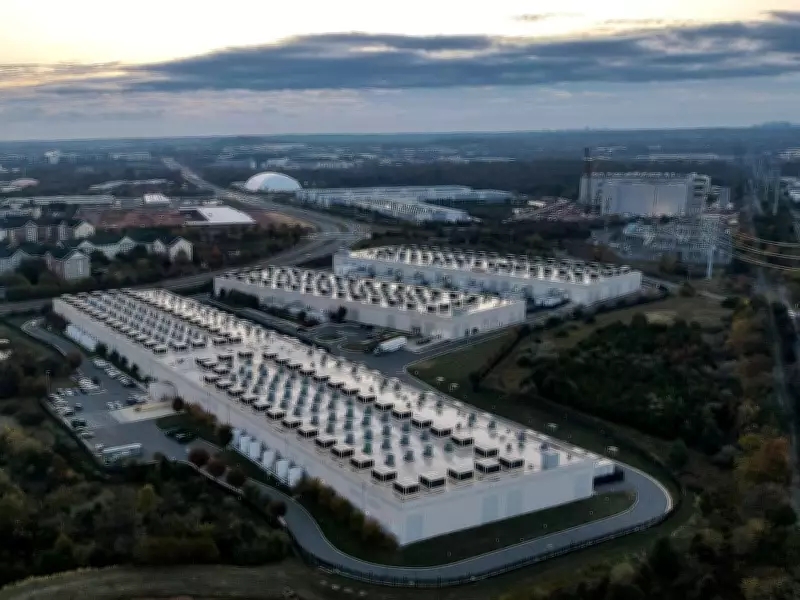
In Northern Virginia, tensions have flared as some residents consider leaving what has become one of the world’s largest data center hubs, citing quality-of-life issues and environmental impacts. These challenges highlight the complex balance between technological advancement and community sustainability.
As the data center market evolves, developers must navigate an increasingly complex regulatory and logistical landscape. The combination of permitting hurdles, power procurement delays, and local resistance is driving a fundamental reconfiguration of where and how these essential facilities are built, with long-term implications for the AI industry and broader economy.