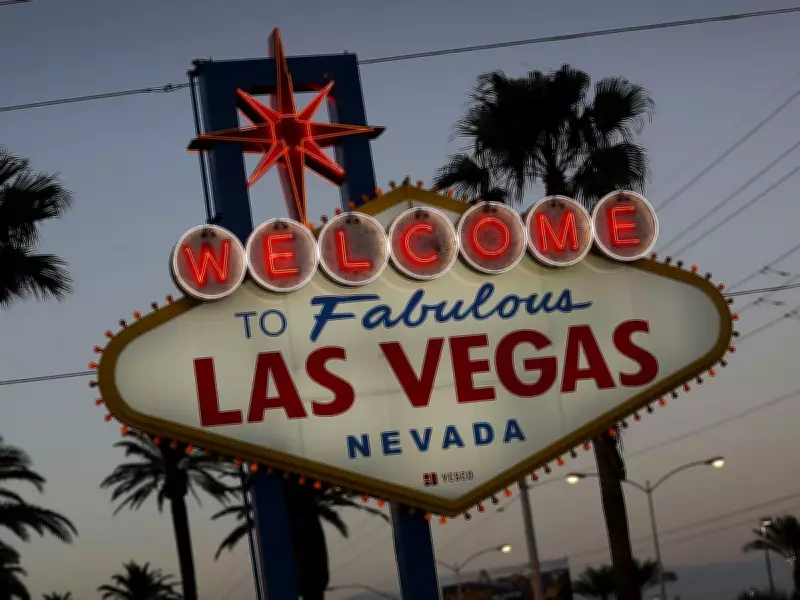
In Las Vegas, two distinct gaming landscapes have emerged: the famous Strip is struggling, while neighborhood casinos away from the neon lights are thriving thanks to local residents.
Strip's Decline
Business on the four-mile Strip has cooled as tourists recoil from rising costs. Parking for a night out costs US$25, resort fees can reach US$50, a bottle of water is US$26, and a coffee costs US$12. These high prices clash with squeezed discretionary budgets amid subdued consumer sentiment and persistent inflation.
“The perception of Vegas has become that it may not be the great value it once was,” said Truist analyst Barry Jonas, who rates Caesars Entertainment Inc. and MGM Resorts International as buy and hold, respectively. These two companies control the largest share of Strip properties.

Patrick Suter, visiting for a hockey tournament, expected to pay up to US$500 a night for lodging but found prices closer to US$800 or US$900, opting for a Vrbo instead.
International and domestic pressures have compounded the slowdown. Visits from Canada, which account for roughly a third of Las Vegas tourists, fell about 20 per cent in 2025 amid political tensions and boycotts. Immigration arrests in the United States also kept potential visitors at home.
Visitor volumes have generally fallen for more than a year. While February saw a 2.1 per cent increase from a low base a year earlier, traffic growth remains below late-2024 levels, according to the Las Vegas Convention and Visitors Authority.
In 2025, MGM reported its first decline in Las Vegas Strip resort revenue since 2020. Caesars' Las Vegas revenue shrank in both 2024 and 2025.
Forecasts for 2026 suggest little near-term upside. Quarterly estimated visits across most major casino operators are still down, with Las Vegas-exclusive Red Rock Resorts Inc. being the only one to show growth, according to Placer.ai data.
“I wouldn’t expect a major upswing,” said Bloomberg Intelligence gaming and lodging senior analyst Brian Egger.
Neighborhood Casinos Thrive
Away from the Strip, Red Rock and Boyd Gaming Corp. have benefited from an influx of new residents, particularly retirees, and increased wages for Las Vegas Strip workers. Nevada’s lack of income tax has attracted migration, boosting spending at neighborhood casinos even as tourism softens.
Unlike Strip operators, these companies rely more on gaming than on hotels, restaurants, and entertainment. This business model has helped them weather the downturn.
Red Rock’s revenue grew 3.7 per cent last year following a 12 per cent gain in 2024. Boyd’s core local customer base remained solid in the first quarter as residents continue to spend closer to home, said chief executive Keith Smith on its earnings call. However, that wasn’t enough to offset revenue declines across its Las Vegas locals and downtown operations due to lower foot traffic.