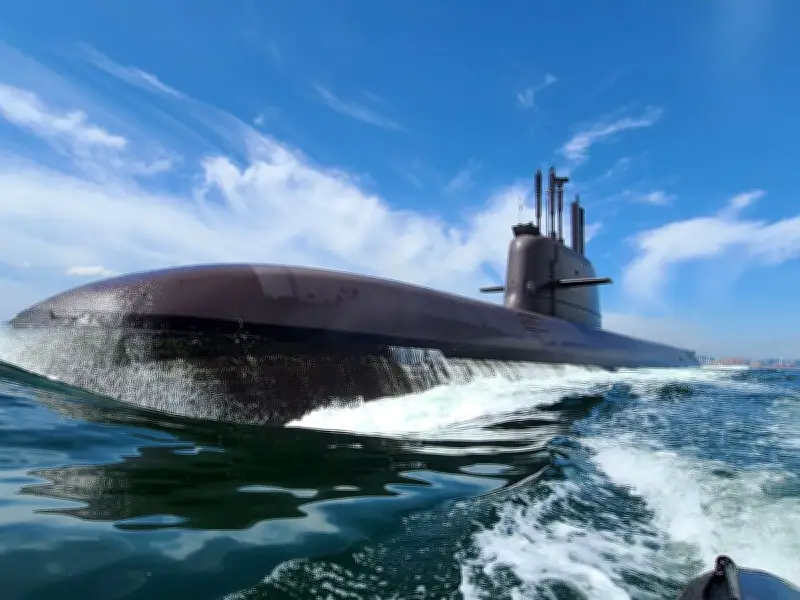
Canada's estimated $80-billion submarine procurement project is triggering a wave of dealmaking across the country's industrial heartland, as international bidders seek to strengthen their positions by investing in local industries ranging from automotive manufacturing to steel and liquefied natural gas.
Hanwha's Charm Offensive
Glenn Copeland, chief executive of Hanwha Defence Canada, recently toured General Motors Co.'s vacant CAMI assembly plant in Ingersoll, Ontario, highlighting the South Korean submarine builder's interest in repurposing the facility. GM halted production at the plant last year after demand for its BrightDrop electric van fell short of expectations, contributing to a seven per cent drop in Canada's auto production. The closure has become a pressing issue for Prime Minister Mark Carney's government.
Hanwha Ocean Co. Ltd., competing against Germany's ThyssenKrupp Marine Systems (TKMS) for the contract to build Canada's first new submarines in decades, has launched an extensive promotional campaign. The company has placed billboards on buses and in airports, aired advertisements during hockey games narrated by Peter Mansbridge, and secured more than 70 side deals with Canadian industrial firms, technology companies, universities, and government ministries. TKMS has pursued a similar, though less visible, strategy.

Industrial Policy Integration
The Canadian Patrol Submarine Project is a key component of the federal government's plan to increase defence and security spending to five per cent of GDP by 2035, up from two per cent today. The dealmaking blitz has sparked optimism that higher military spending will provide a lasting economic boost, but it has also raised concerns about the viability of the numerous side agreements and the precedent for future procurements.
Flavio Volpe, president of the Automotive Parts Manufacturers' Association (APMA), noted that even if Hanwha does not win the submarine contract, the Canadian automotive sector is likely to push further into defence. In April, APMA acquired a 51 per cent stake in a joint venture with Hanwha to build all-terrain military vehicles, and earlier this month, they announced plans to source steel from Algoma Steel Inc. in Sault Ste. Marie.
However, sources familiar with the discussions indicated that GM, Hanwha, and APMA are still far from finalizing a deal to produce vehicles at the Ingersoll plant. The facility, spanning 2.3 million square feet, is considered too large for Hanwha and APMA alone. GM is also pursuing military vehicle contracts, and a shared arrangement could make repurposing the plant feasible.
Economic Implications
The submarine race underscores the intersection of defence procurement and industrial strategy, with bidders leveraging investments to build goodwill and secure domestic support. As the competition intensifies, the outcome will likely shape Canada's defence capabilities and industrial landscape for decades to come.