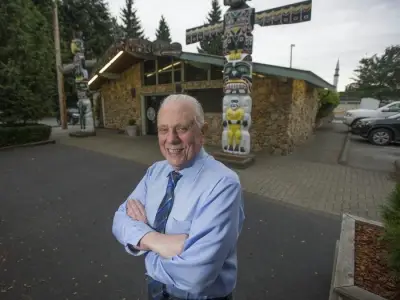
Alberta's restaurant industry is undergoing a significant reset, challenging even the most optimistic owners. Known as 'irrational optimists,' restaurateurs in Calgary and beyond are grappling with shifting consumer habits, rising costs, and evolving urban landscapes.
Canmore's Pedestrian-Friendly Model
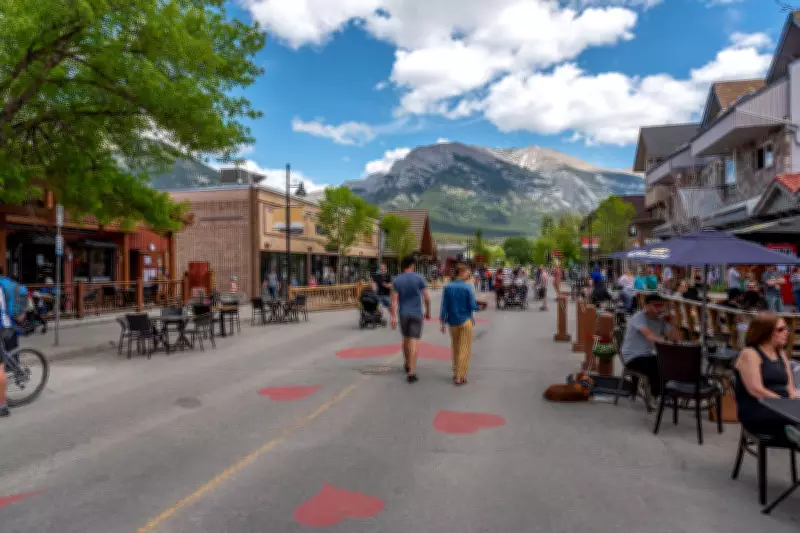
In Canmore, the main street is transformed into a pedestrian and bicycle-only zone for five months each year, fostering a relaxed resort-town atmosphere for diners and shoppers. This initiative, first implemented in June 2020 following COVID-19 lockdowns, has become a blueprint for other communities seeking to revitalize their downtown cores.
Industry Challenges
The restaurant sector faces mounting pressures, including labor shortages, supply chain disruptions, and inflation. Many owners are reevaluating their business models to survive in a post-pandemic economy. The term 'irrational optimists' reflects the resilience required to thrive amid uncertainty.

Broader Context
Across Canada, similar trends are emerging. From wildfires in British Columbia to cybercrime probes in Toronto, the news landscape underscores the interconnected challenges facing communities. In Alberta, the focus remains on balancing economic growth with quality of life.
As spring allergy seasons spike and tick seasons start early, health experts warn of new risks. Meanwhile, political debates over trade systems and immigration policies continue to shape the business environment.
Looking Ahead
Despite the hurdles, Calgary's restaurant owners remain hopeful. By embracing innovation and community engagement, they aim to navigate the reset and emerge stronger. The Canmore example offers a glimpse of how urban design can support local businesses and enhance the dining experience.