As the calendar turns to 2026, Canada's approach to food policy is set for a fundamental shift. According to Dr. Sylvain Charlebois, Director of the Agri-Food Analytics Lab at Dalhousie University, the nation can no longer treat food as a political shelter. Instead, the coming year presents an economic test of competitiveness, credibility, and the country's seriousness about feeding itself in a changing world.
Trade Tensions and Domestic Pressures Converge
Several powerful forces are converging to reshape the landscape. Consumer empowerment, amplified by social media, is accelerating. Simultaneously, geopolitical tensions, particularly with the United States, are becoming increasingly disruptive. These dynamics will thrust complex food policy issues from technical discussions into the public spotlight.
At the forefront is the CUSMA trade agreement and Canada's system of supply management for dairy. Prime Minister Carney has signaled firmness on market access, backed by legislation that shields the supply management system from parliamentary debate. However, Charlebois argues this protection is unlikely to hold. He notes that while the U.S. may have little genuine interest in exporting more dairy north, and Canadian consumers show limited appetite for it, President Trump now understands supply management is a potent political wedge issue.

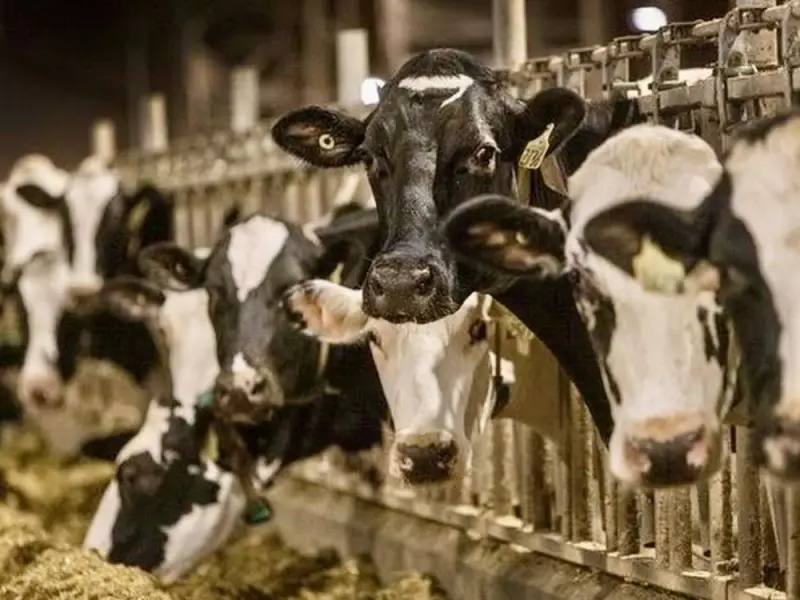
The system protects roughly 9,400 dairy farmers who exert significant influence over agricultural policy. Compensation payments continue without meaningful reductions in production or market share. For many Canadians, this appears as a closed loop rather than a public good. The irony, Charlebois points out, is that global dairy demand is rising, yet Canada's system prioritizes insulation over ambition, missing a key competitiveness opportunity.
New Rules and Technological Shocks
January 1, 2026, also marks the formal implementation of new front-of-package nutrition labels. While these symbols have been appearing on shelves, their real impact has been behind the scenes, reshaping how food companies formulate products and design portfolios. Whether they change consumer behaviour is debatable, but their influence on industry is undeniable.
A more structural shock comes from the GLP-1 medication phenomenon. With generics entering the market and a pill-based version recently approved in the U.S., access is expanding rapidly. Charlebois estimates the number of Canadian users could rise from roughly two million today to three or four million by 2030. This is a demand-side shock with major implications for snack foods and restaurant traffic.
Artificial intelligence will also play a larger, more controversial role. Differential pricing already exists online, where consumers pay different prices for the same product at the same retailer. The next frontier may be in-store dynamic pricing. While accepted in airlines and hotels, applying AI-driven pricing to food carries much higher ethical and political stakes, presenting a defining test of trust for grocers.
A Test of Cooperation and a New Narrative for Livestock
Another key development is the long-awaited implementation of the voluntary grocery code of conduct. After years of negotiation, its effectiveness remains uncertain. If it works, it should improve commercial fairness and support price stability. For now, optimism must be tempered with realism.
Finally, 2026 coincides with the United Nations' International Year of Rangelands and Pastoralists. Charlebois sees this as a timely moment to reset the debate around meat consumption. Well-managed grazing supports rural livelihoods, export economies, and can enhance biodiversity. He argues policymakers should shift from apologizing for meat production to recognizing livestock as a strategic pillar of resilient food systems.
In conclusion, 2026 represents a pivotal year where Canada's food policy must mature from political tool to economic strategy, navigating trade pressures, technological disruption, and the fundamental need for security and affordability.