Strawberry season cut short by weather
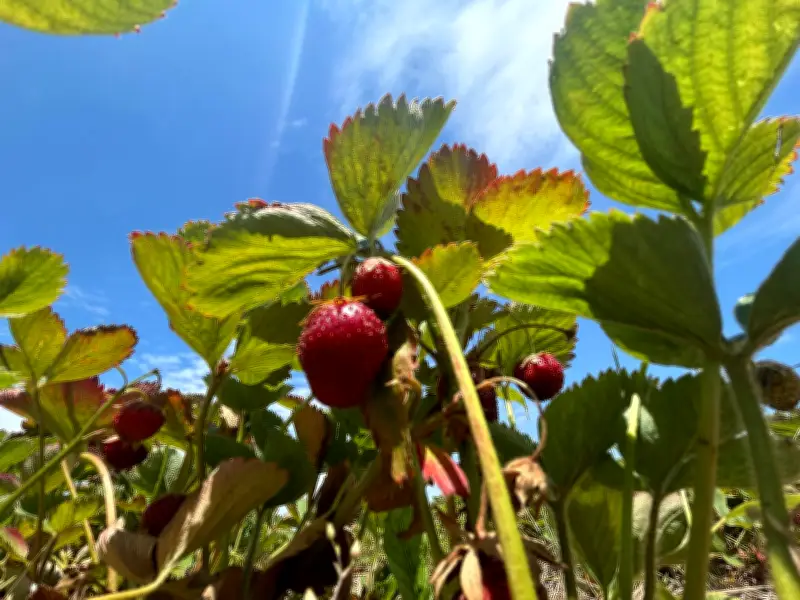
Unseasonably cool and wet weather has slashed Nova Scotia's strawberry season by up to two weeks, leaving growers with smaller yields and forcing some to close their fields early. The province's strawberry harvest typically runs from late June through mid-July, but this year many farms are wrapping up by the first week of July.
Peter Giffin, owner of Giffin's Farm in Cambridge, N.S., said his crop has been significantly impacted. "We've lost about 30 to 40 percent of our yield compared to a normal year," Giffin said. "The plants just didn't get enough sun and warmth to produce the berries we expected."
Cool, wet conditions blamed
The culprit is a persistent pattern of cool temperatures and above-average rainfall that began in late spring. Environment Canada data shows that June temperatures in the region were 2 to 3 degrees Celsius below normal, while precipitation was 50 to 75 percent above average. These conditions slowed plant growth and promoted fungal diseases such as botrytis (gray mold).

"The berries are smaller and less sweet than usual," said Jennifer Dean, a strawberry grower in the Annapolis Valley. "We've had to cull a lot of fruit that was damaged by rot." Dean reported that her farm's u-pick season ended a week earlier than planned.
Impact on farmers and consumers
The shortened season means less local fruit available for consumers, and prices may rise as supply dwindles. Some farms have stopped offering u-pick entirely. "We usually have strawberries into mid-July, but we'll be done by July 5 this year," said Mark MacDonald of MacDonald's Berry Farm in Wolfville.
The province's strawberry industry is valued at roughly $10 million annually, according to the Nova Scotia Federation of Agriculture. This year's losses could total millions of dollars. Farmers are hoping for better conditions for fall-bearing varieties, but the damage to the spring crop is already done.
Looking ahead
Growers are considering adaptations such as high tunnels (unheated greenhouses) to protect crops from future weather extremes. "We're seeing more variability every year," Giffin said. "We need to invest in infrastructure to buffer against these swings."
Agriculture Minister Greg Morrow said the province is monitoring the situation and may offer support if losses meet disaster thresholds. "We recognize the challenges our farmers are facing," Morrow said in a statement.