Canada's annual inflation rate accelerated to 3.2 per cent in May, up from 2.8 per cent in April, marking the first time it has exceeded three per cent since 2023, according to Statistics Canada. The increase was driven by higher gasoline and grocery prices, with the Iran war pushing gas costs higher for the third consecutive month.
Gasoline Prices Surge Amid Geopolitical Tensions
The closure of the Strait of Hormuz significantly impacted gasoline prices, which rose 33.2 per cent year-over-year in May, compared to 28.6 per cent in April. This pushed fuel costs to their highest level since June 2022, when prices spiked following Russia's invasion of Ukraine.
StatCan noted that even with a recent dip in gas prices, drivers continue to pay more at the pump since the war began. The agency attributed the sustained increase to geopolitical instability affecting global oil supply routes.

Food Inflation Leads G7 Nations
Overall food inflation reached 3.8 per cent in May, placing Canada at the top of G7 nations for food price increases. Grocery inflation rose half a percentage point to 4.3 per cent year-over-year, outpacing headline inflation for 16 consecutive months.
“Canada’s return to the top of the G7 food inflation rankings should concern policymakers. At 3.8 per cent, food inflation isn’t a crisis, but it is a signal. Most G7 countries face the same global pressures. The fact that Canada continues to underperform suggests our food affordability problem is increasingly homegrown, not imported,” said Sylvain Charlebois, director of Dalhousie University’s Agri-Food Analytics Lab, in a social media post.
Fresh Vegetable Prices Spike
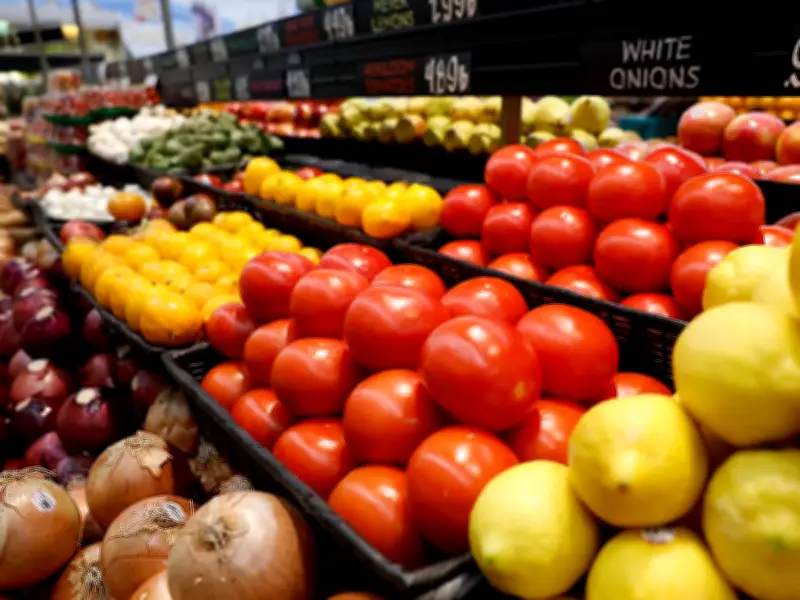
Fresh vegetable prices rose nine per cent year-over-year in May, following a 4.1 per cent increase in April. StatCan attributed this to higher costs for broccoli, cauliflower, tomatoes, and lettuce. Tomato prices alone surged 45.2 per cent year-over-year due to poor growing conditions in Mexico, severe weather, and U.S. tariffs that led Mexican growers to reduce acreage.
Month-over-month, fresh vegetable prices climbed 5.5 per cent in May after a 3.9 per cent drop in April. StatCan noted this is the largest monthly May increase since 2008, driven by higher fuel costs and shrinking supply.
Fresh Fruit and Meat Costs Rise
Fresh fruit prices increased 5.3 per cent year-over-year in May, reversing a 0.5 per cent decline in April, led by berries, cherries, and grapes. Beef prices also saw significant hikes, with beef chuck rising 25 per cent and beef ribs up 7.4 per cent year-over-year.
Stacey Taylor, an assistant professor of business analytics at Cape Breton University, explained to National Post in April that beef supply will remain tight as ranchers recover from herd contraction. “Farmers tend to reduce their herd sizes when feed costs are very expensive, or they’re going through a period of uncertainty. So, it can take many years to get those herds back to full strength.”